
What are the Factors to Consider When Choosing an Imported Construction Supply
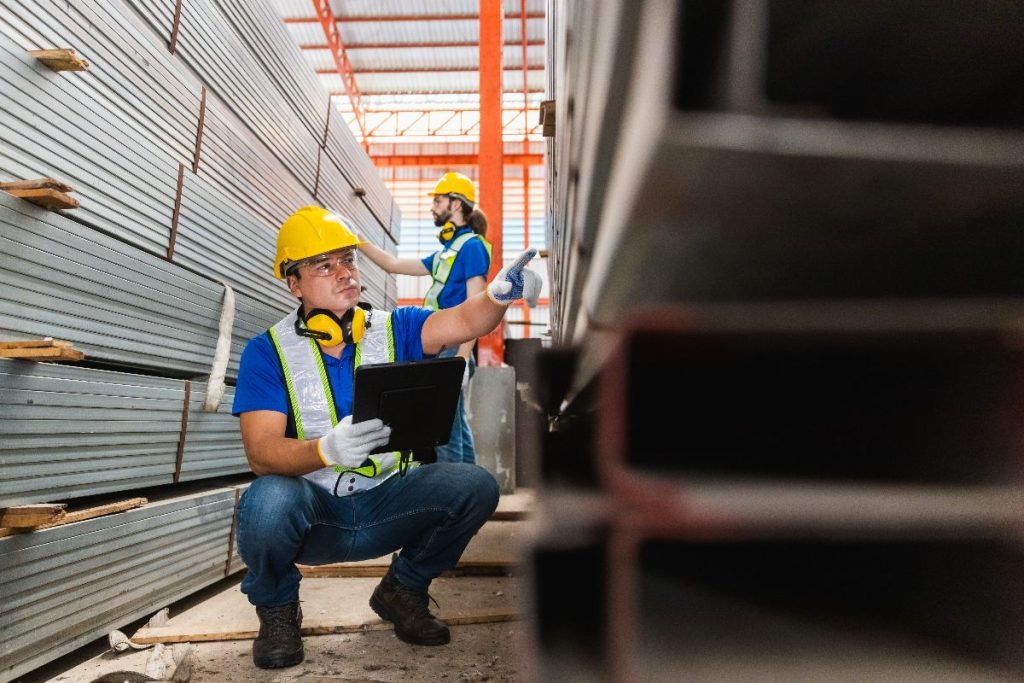
What are the factors to consider when choosing an imported construction supply in the Philippines?
- Compliance with international and local building standards
- Supplier track record and credibility
- Total landed cost vs. long-term value
- Logistics and documentation efficiency
- Alignment with project specifications
Overview
- Choosing imported construction supplies in the Philippines requires evaluating compliance, supplier reliability, logistics efficiency, and total landed cost.
- Prioritizing certified, PNS- or ISO-compliant materials ensures structural integrity and long-term value.
- Partnering with experienced suppliers like Metal Exponents helps projects stay on schedule, maintain quality, and minimize risks throughout the build.
Relying on local construction supplies is convenient, yet gaps in availability or performance can quickly surface when project demands increase. This is where imported materials enter the conversation—but choosing them is not always straightforward.
Understanding the factors to consider when choosing imported construction supply Philippines becomes essential, especially when quality expectations must be met without disrupting timelines or compliance.
Imported construction supplies can address limitations in local sourcing, but only when evaluated beyond price alone. From material standards and certifications to supplier reliability and logistics support, each decision affects build quality and long-term performance.
In this article, we’ll outline the key considerations that help ensure imported supplies strengthen your project rather than introduce avoidable risks.
Compliance with International and Local Building Standards
Understanding international and local requirements helps ensure imported materials are approved, reliable, and fit for use.
Philippine Standards (PNS)
In the building project, the Philippines Standards (PNS) covers materials like steel, cement, and electrical components. These are then verified via PS marks and other import-related clearances.
Durability and Performances
When imported materials are compliant with international and local building standards, contractors can expect features with superior engineering.
PNS-compliant imports like steel rebar under PNS 49 ensure consistent tensile strength yield ratios suited to the Philippine conditions.
Certifications
Look for suppliers that provide authentic certifications—such as ISO, ASTM, EN, or manufacturer test reports.
These certificates validate material quality, ensure traceability, and give construction managers confidence that the product meets engineering requirements.
Supplier Track Record and Credibility
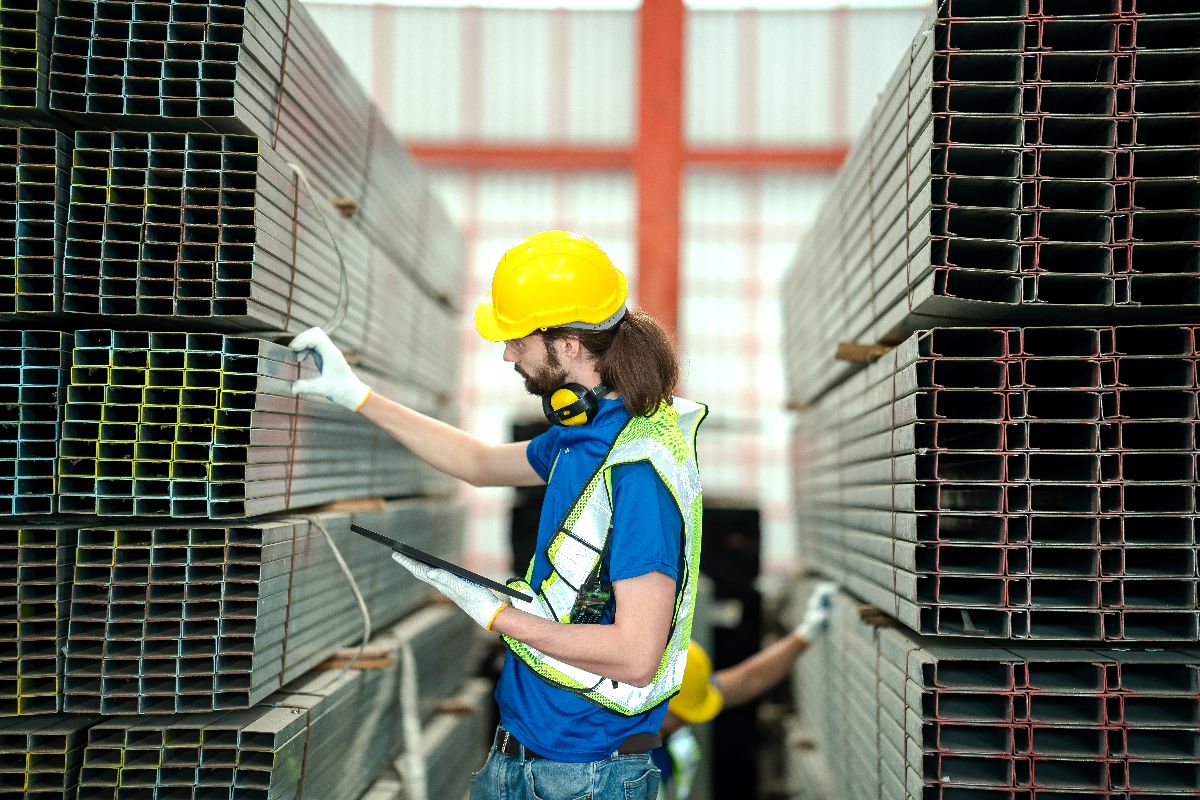
Supplier reliability goes beyond availability—it’s about proven performance and integrity. Learn why supplier experience and accreditation are essential to establishing trust and mutual respect during the transaction.
Experience
When choosing an imported construction supply, prioritize a supplier with extensive experience. It is a vital consideration because it directly reflects their ability to navigate complex international logistics—and of course, establishing a global supply chain.
Metal Exponents Inc., for example, is a renowned steel supplier with a proven history of successful imports and delivering compliant products in the construction industry. With this, project contractors have the assurance of performance and logistics efficiency for their materials.
Accreditation
Accreditation means that the supplier meets stringent government and industry standards. This formal recognition minimizes the risks of substandard products, customs delays, or legal penalties.
By partnering with verified suppliers, projects benefit from reliable supply chains, reduced liability, and enhanced materials durability. Ultimately, it ensures that project timelines are met efficiently.
Total Landed Cost vs. Long-term Value
Total landed cost and long-term value go hand in hand when evaluating imported construction materials. Considering both helps businesses make smarter choices that optimize budget, quality, and sustainability over time.
Total Cost
In opting for imported products, you need to get a realistic view of the investment. Start by acknowledging that the total cost of your purchase not only includes the stock itself, but also the freight, customs, taxes, and handling fees.
These encompass the full expense of material procurement. Some may overlook the total landed cost, but this is very important in making accurate calculations. To avoid this, ask your supplier about their rates and inclusions to prevent hidden charges.
Transparency
As mentioned, supplier transparency is vital to avoid inflating overall project expenditures. They should provide clear breakdowns of costs, lead times, and potential fees. A sufficient amount of information allows you to plan accurately and create a more predictable project budget.
Aside from monetary aspects, they should also give full disclosure of material specifications and compliance documentation to guarantee that their supplies are compliant both in technical and legal terms.
Logistics and Documentation Efficiency
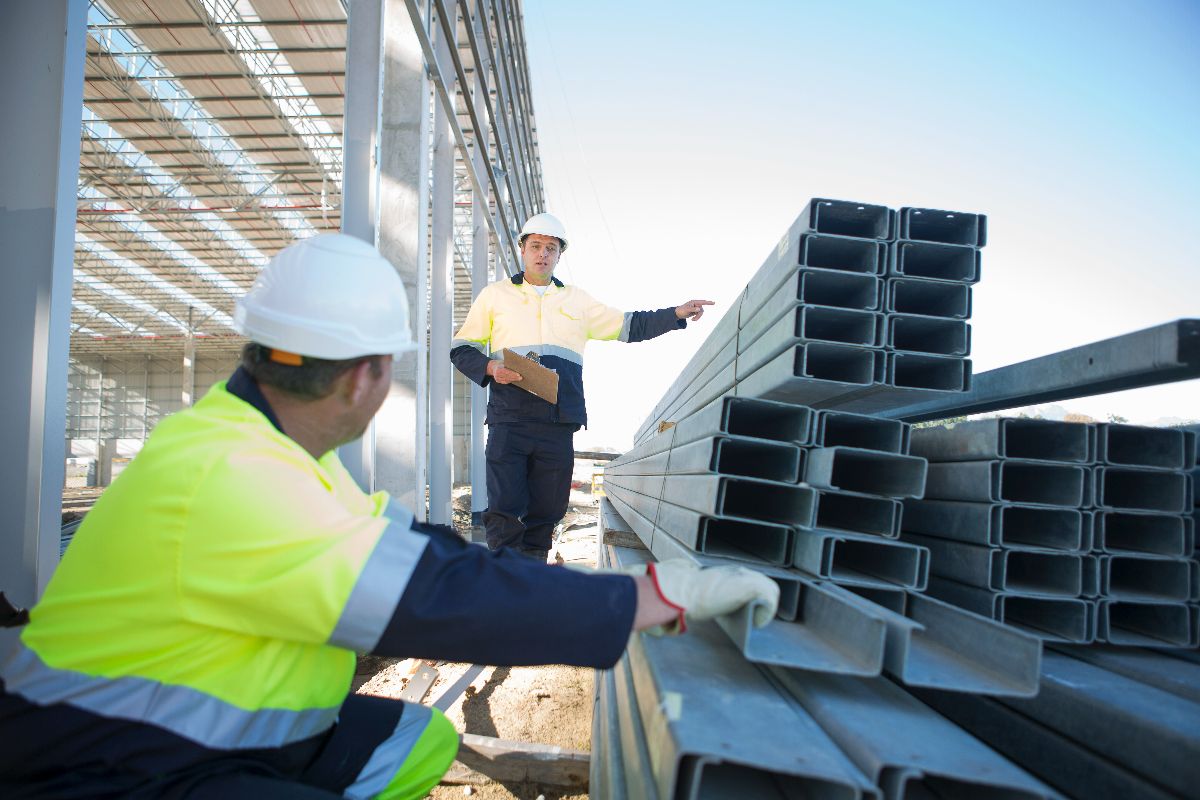
Choosing imported construction materials goes beyond quality—it also depends on how efficiently they move with clear paperwork. To discuss further, here are some other factors you should consider:
Importation
Importation is defined as the business of bringing products into a country from another country; this means that construction materials travel far before they reach their destination.
This process is not simple at all, which is why a supplier with efficient logistics support is a top choice for most in the field. They determine whether products clear customs and reach project sites on time.
Delivery
Construction materials come in bulk, requiring capacity-bearing vehicles to transport them. This could become an unexpected challenge if contractors don’t choose wisely.
So, suppliers that allow delivery become a competitive advantage. They can meet lead times and ensure that the products are handled properly, so they remain in a pristine condition once it reaches the site. Furthermore, timely delivery is also critical to support projects to stay on track and to back up efficient resource planning.
Storage
Consider suppliers who offer guidance or solutions for safe storage and handling of imported materials, particularly for sensitive or specialized products. This is important because some materials’ integrity is at risk, especially with the climate conditions of the Philippines.
Alignment with Project Specifications
Material selection only works when imported products meet your project’s exact specifications. This alignment helps maintain design accuracy and prevents issues during construction.
Specifications
Imported materials must match the technical specifications needed for a project. This includes strength, grade, finish, and compatibility with other construction components.
Suppliers must provide detailed data sheets and third-party test certifications to confirm that imports meet the exact requirements for a project. This precision minimizes rework and enhances the structural integrity of a building.
Key Takeaway
Choosing imported construction supplies in the Philippines is not just about sourcing materials—it’s about ensuring reliability, compliance, and long-term value. By evaluating important factors, construction managers can minimize risk, protect timelines, and ensure structural integrity.
Metal Exponent Inc. is a trusted, transparent supplier in the Philippines, helping construction projects achieve predictable, high-quality outcomes from start to finish. Contact us today to know more about our offers.
SEARCH

METAL EXPONENTS
Metal Exponents Inc. is run by an expert team of engineers, supply and logistics directors, and a committed salesforce that continually drives the business to be the best in the industry.
CONTACT INFORMATION
Our focus on durable products, reliable delivery, and competitive rates puts Metal Exponents at the forefront of imported steel.
CORPORATE OFFICE
4/F FMCB Center, #68 Jupiter St. Bel-Air, Makati City