What Roofing Materials are Best Suited for the Philippine Climate?
What roofing materials are best suited for the Philippine climate?
- Metal roofing
- Clay tiles
- Concrete tiles
- Aluminum shingles
- Synthetic shingles
Overview
- The Philippine climate demands roofing materials that can withstand heat, humidity, and frequent typhoons.
- Understanding each material’s strengths ensures long-term home protection.
- For reliable, weather-resistant steel roofing, Metal Exponents remains a trusted supplier.
The Philippines experiences heavy rains, typhoons, intense heat, and high humidity year-round, putting roofs under constant stress.
That being said, various homeowners face leaks, warping, or early deterioration when their roofing isn’t designed to withstand these conditions. Knowing the roofing materials best suited for the Philippine climate is essential to protect both the structure and the residents.
In this article, we’ll explore which roofing materials perform best in local conditions and how to select the ideal one for your home.
Metal Roofing
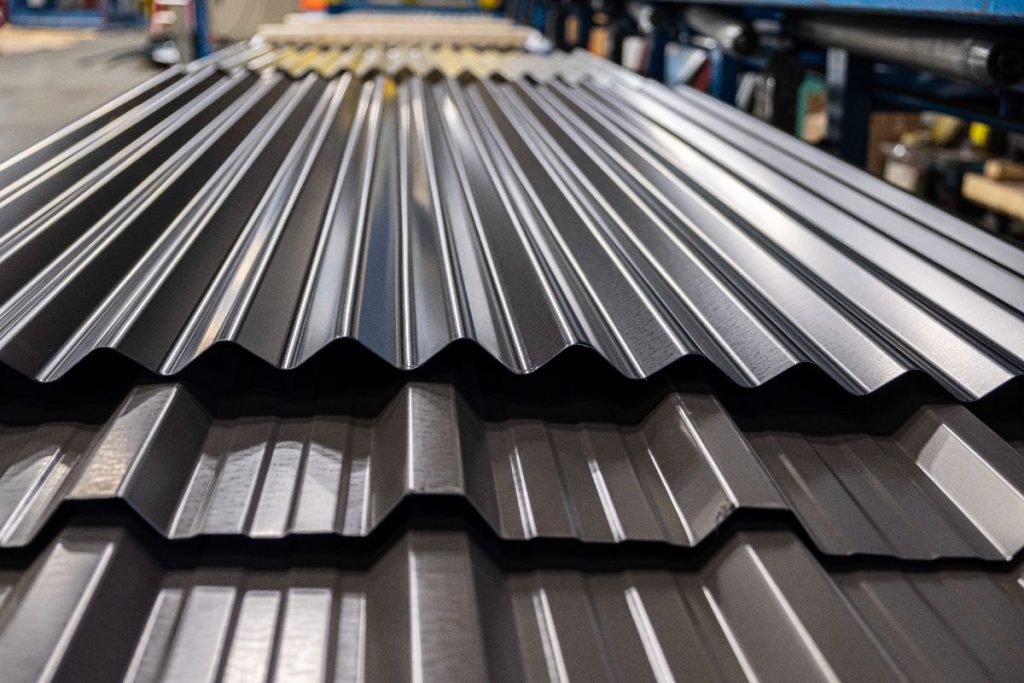
Metal roofing remains one of the most reliable options for Philippine homes because it performs exceptionally well under intense heat and heavy rainfall.
Its durability allows homeowners to worry less during typhoon season, knowing their roof can handle strong winds. This makes metal panels a practical long-term choice for areas exposed to unpredictable weather.
Clay Tiles
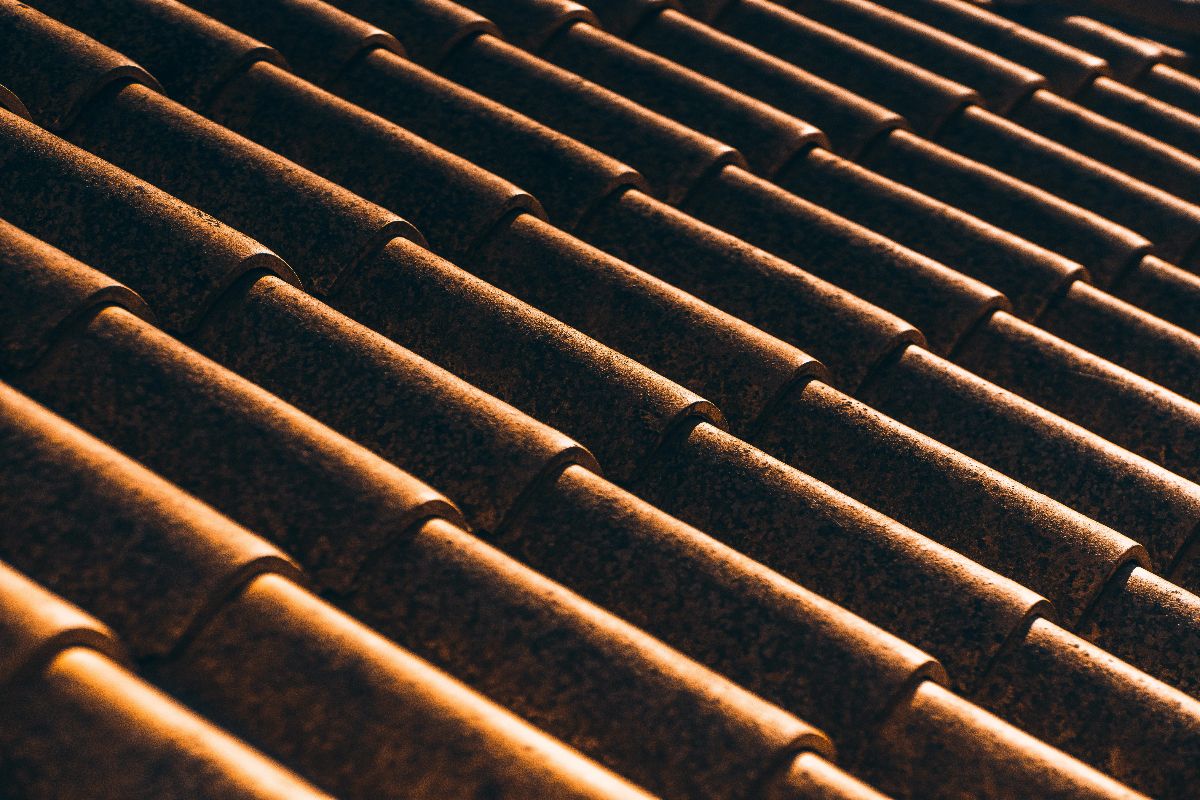
Clay tiles provide natural insulation that keeps homes cool despite tropical heat. Their dense composition allows them to resist high temperatures without fading or warping.
On top of that, they perform exceptionally well against strong winds, thanks to their heavy-duty weight. They stay firmly in place and offer long-lasting durability.
Concrete Tiles
Concrete tiles are known for their impressive strength. It’s made of sand, cement, water, and iron oxide pigments, molded to form a tile shape.
With these materials, this roofing is naturally dense, which is helpful in regulating indoor temperatures. While heavier than other options, concrete tiles compensate with stability and durability.
With proper framing support, they become a dependable roofing solution for the Philippine climate.
Aluminum Shingles
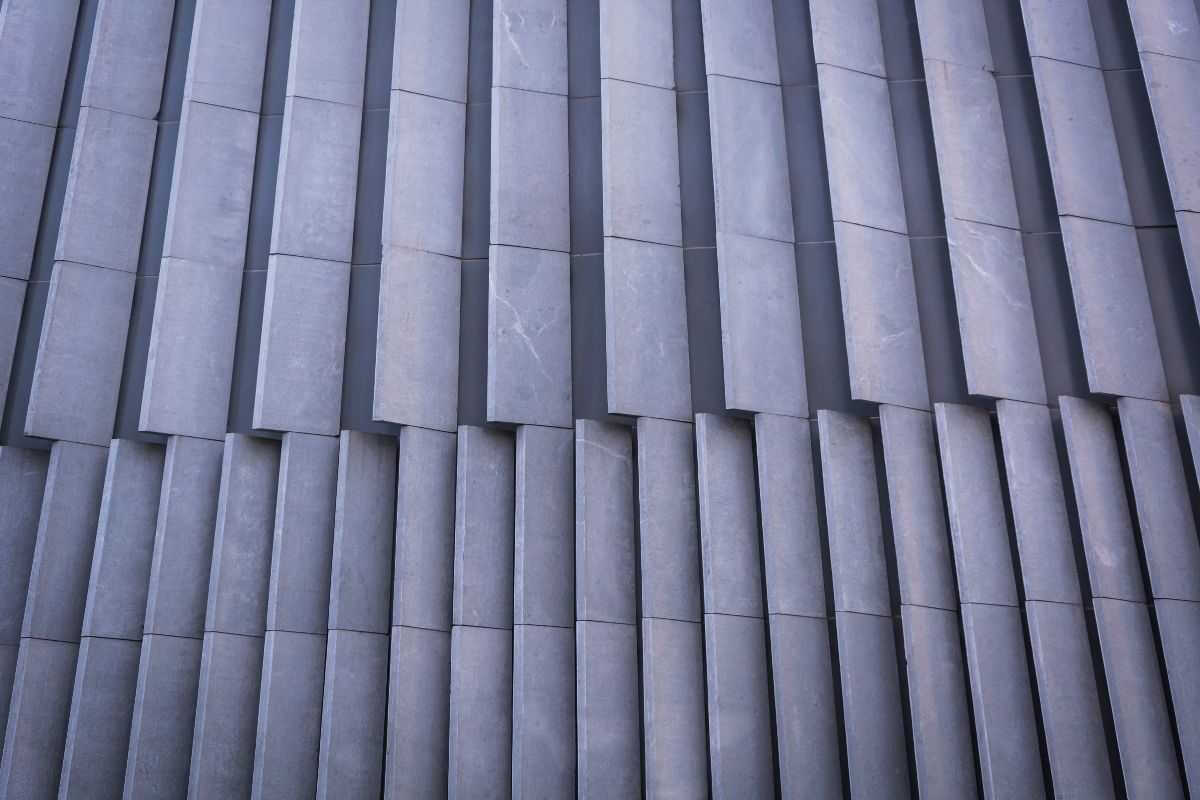
Aluminum shingles offer lightweight strength that fits well with both modern and traditional home designs. Their corrosion-resistant properties make them an excellent choice for coastal areas prone to salt exposure.
In addition, one of its appealing features is that aluminum reflects sunlight effectively. This translates to reduced heat buildup inside the home.
Synthetic Shingles
Synthetic shingles combine the look of natural materials with improved resistance to harsh weather.
They are engineered to withstand heat, rain, and impact better than traditional shingles. These materials are also lightweight, which reduces strain on the roof structure.
What are the Different Types of Metal Roofing
Metal roofing comes in several variations, each designed to solve specific weather challenges in tropical climates. These options differ in weight, durability, sound insulation, and corrosion resistance.
Understanding these differences helps you choose a roof that matches both structural needs and environmental conditions.
Corrugated Steel
Corrugated steel roofing features repeating ridges that help redirect water away from the home. This pattern improves drainage and prevents moisture buildup during heavy rains. Because of its slanted installation, water slides down easily and minimizes leakage risks.
Aluminum Roofing
Aluminum roofing stands out for its resistance to rust and corrosion, making it ideal for humid and coastal environments. Its lightweight design reduces pressure on the roof structure without compromising strength.
Stone-coated
Stone-coated metal roofing offers exceptional durability at a fraction of the weight of clay or concrete. Weighing only 22 to 68 kg per area, it is significantly lighter yet designed to withstand strong physical impact. This strength makes it suitable for areas frequently hit by storms.
Standing Seam Metal Roofing
Standing seam metal roofing features raised seams and hidden fasteners that protect the roof from heat, moisture, and UV exposure. This design keeps the fasteners shielded, preventing wear and tear that typically affects exposed hardware. As a result, the roof maintains its structural integrity for years.
Key Takeaway
Choosing the right roofing material is ultimately about securing long-term protection for structures in a climate as demanding as the Philippines. With extreme heat, heavy rains, and frequent typhoons, materials that are durable, energy-efficient, and require minimal upkeep are the ideal choice.
If you’re ready to upgrade to a roof built for Philippine weather, find high-quality roofing materials here at Metal Exponents—your trusted supplier of durable, weather-resistant steel products. Contact us today to get started.
SEARCH

METAL EXPONENTS
Metal Exponents Inc. is run by an expert team of engineers, supply and logistics directors, and a committed salesforce that continually drives the business to be the best in the industry.
CONTACT INFORMATION
Our focus on durable products, reliable delivery, and competitive rates puts Metal Exponents at the forefront of imported steel.
CORPORATE OFFICE
4/F FMCB Center, #68 Jupiter St. Bel-Air, Makati City