Why Steel Structure is the Best Choice for Industrial Buildings
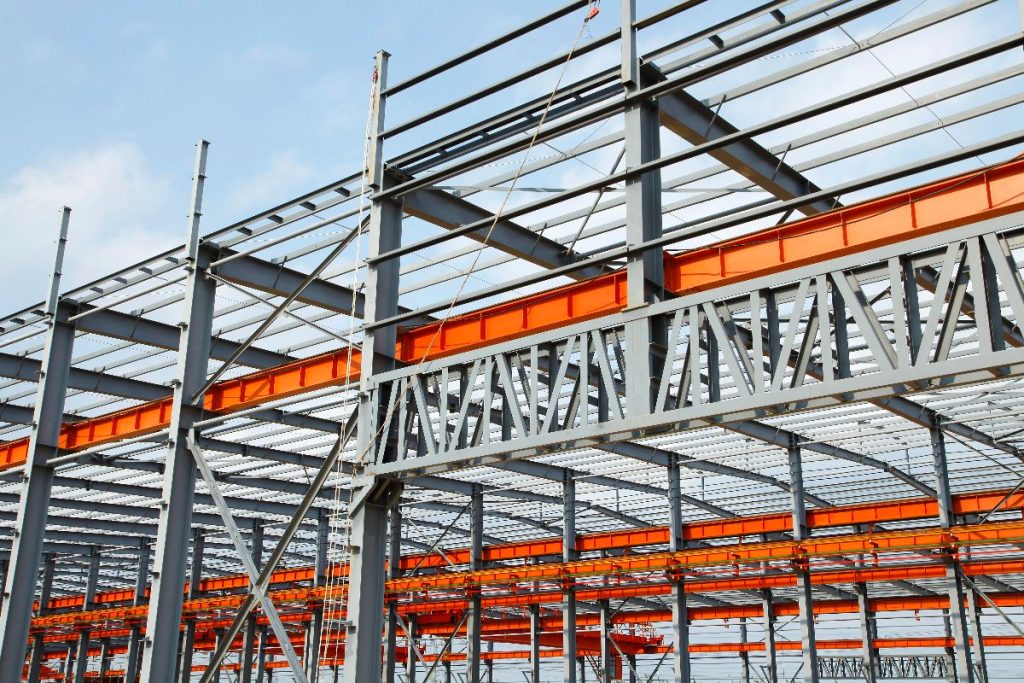
Why are steel structures the best choice for industrial builds?
- High strength-to-weight ratio for heavy loads
- Quicker fabrication and assembly
- Easy to modify and reconfigure
- Cost-effective construction
- High resilience against environmental exposure
- Highly recyclable
Overview
- This article explains why steel is the most reliable structural material for industrial and utility-focused buildings, focusing on its strength and long-term cost efficiency. It addresses how these advantages directly support complex equipment storage and different facility requirements.
- It also guides contractors and procurement officers in understanding the practical, operational, and financial value of choosing steel over traditional materials.
- These benefits are best realized when working with an experienced supplier like Metal Exponents Inc. We deliver high-grade steel solutions built for demanding industrial applications.
To build truly safe structures, they must be made with the right structural material. Steel has proven to be the most effective solution for complex industrial projects. Their strength and flexibility allow for more open layouts and efficient use of floor space, supporting even the heaviest and most critical equipment.
This article explains why steel structures are the best choice for industrial buildings. From factories to large warehouses, they provide a durable, future-proof framework that meets strict building standards. Continue reading to learn why steel materials remain a backbone of modern operational design.
High Strength-to-weight Ratio for Heavy Loads
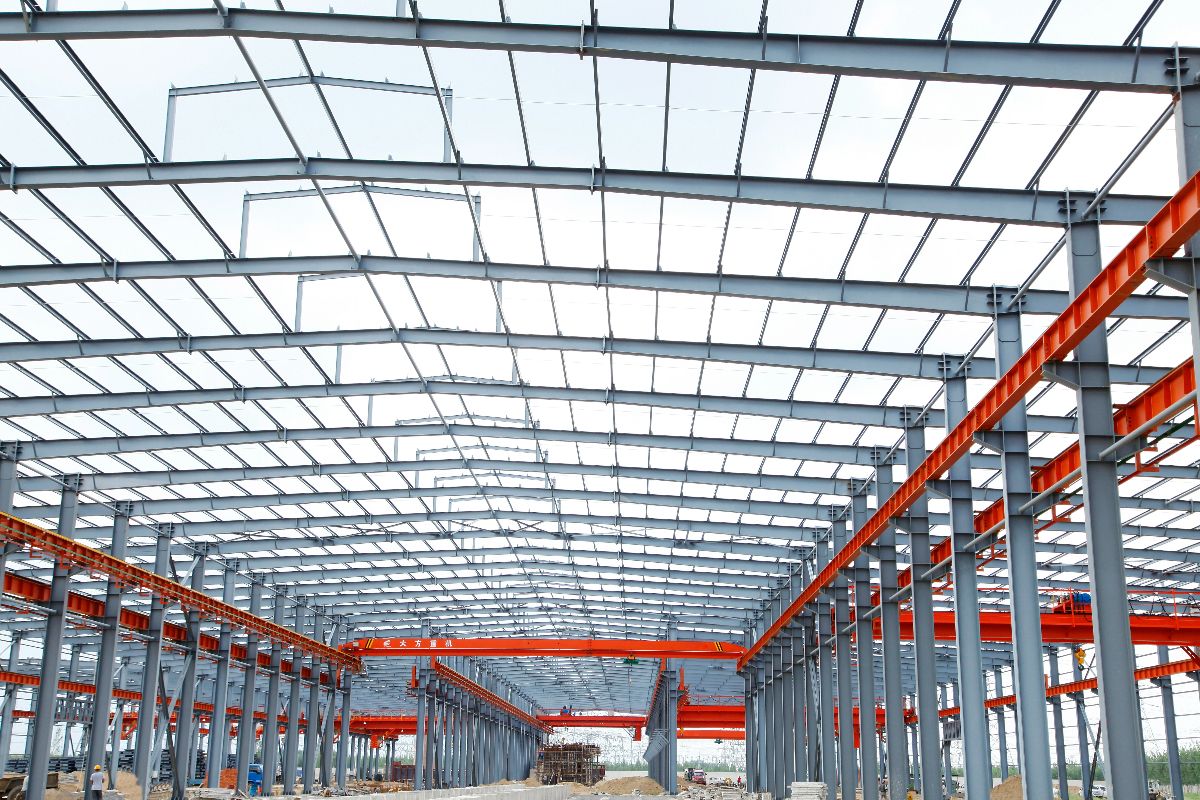
Load intensity drives utility-focused construction more so than other architectural considerations, and steel handles it better than any other material. A manufacturing plant, for example, may need to support multi-level storage and overhead cranes. These demands require a material that can bear extreme weight effectively.
Steel’s high strength-to-weight ratio makes it ideal to overcome such challenges. It provides the maximum load capacity needed to relieve foundations of structural stress. This allows frameworks to support longer spans and wider open layouts.
With engineered beams, columns, and trusses, steel frameworks deliver efficient support that meets the exact requirements of large-scale facilities.
Quicker Fabrication and Assembly
Steel components can be precisely manufactured off-site with automated cutting, drilling, and welding techniques. These prefabricated elements arrive ready to assemble, which directly leads to faster project completion. Frameworks can be erected quickly enough to reduce on-site delays and minimize last-minute adjustments.
This speed benefits factory-scale projects in multiple ways. Frameworks allow longer spans and modular integration, which simplifies equipment installation. Shorter construction cycles also reduce labor exposure and thus lower project risks.
As a result, construction teams are better able to meet scheduled requirements on time and enhance their overall operational efficiency.
Easy to Modify and Reconfigure
Another reason why they’re ideal for complex facilities is that the material can easily adapt to support different types of structures. Steel frameworks maintain their integrity under modification, ensuring minimal downtime. By contrast, when a manufacturing firm needs to add more production lines or expand storage, conventional concrete frameworks may require costly, extensive reinforcements.
Modular designs allow reconfigurations to merge seamlessly with existing equipment systems. Facilities can add a mezzanine to increase storage capacity or adjust crane support beams to accommodate larger machinery, all without tearing down entire sections.
Cost-effective Construction
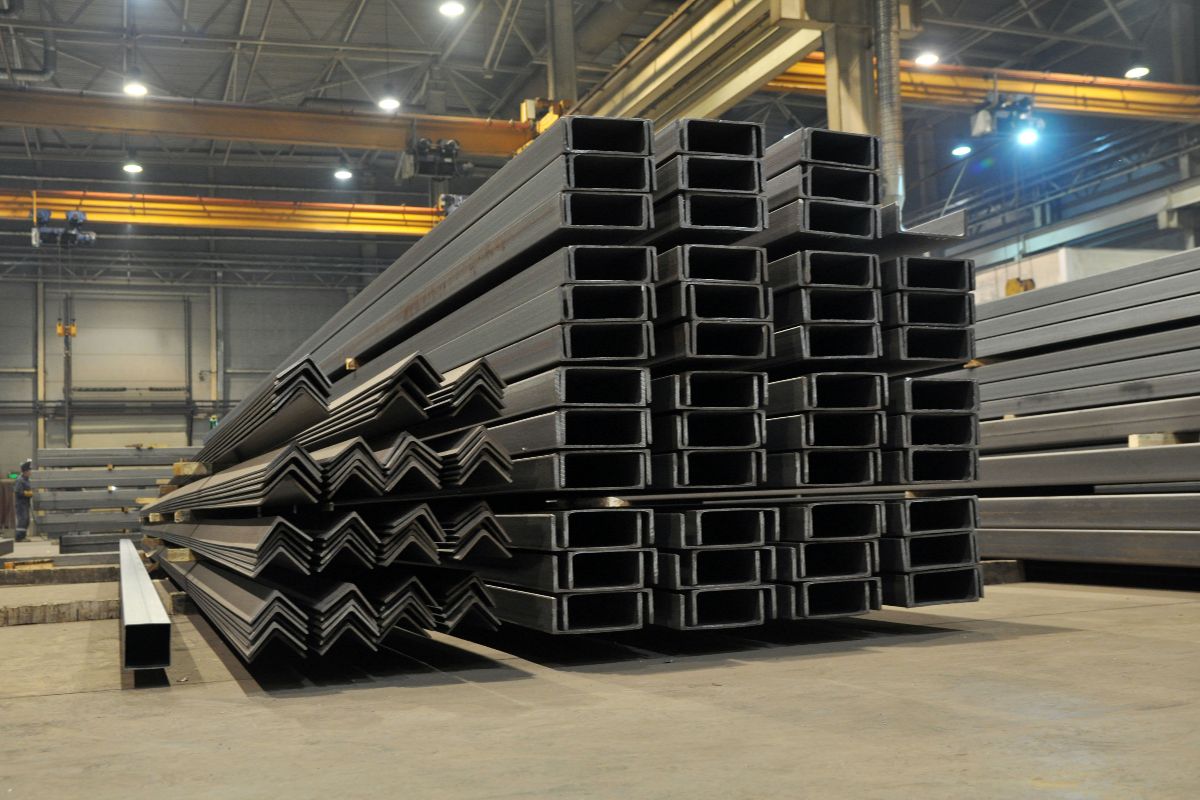
The material can be fabricated to precise specifications, which in turn minimizes material waste and high-cost installation mistakes. Off-site manufacturing produces components to exact tolerances, so less on-site adjustment is needed. This helps in preventing delays and budget overruns that often occur with less stable materials. Steel’s reliability ensures better financial control throughout the project.
Steel components are specifically engineered for modular assembly. This precision shortens construction timelines and labor costs that would otherwise come from additional preparations or on-site refitting.
For example, in a large-scale distribution center, prefabricated roof trusses and support frames can be erected at the same time as the mechanical system. This reduces the overall project duration, which reduces the expenses associated with extended building schedules.
High Resilience Against Environmental Exposure
Steel structures are highly resistant to environmental stresses, making them ideal for facilities exposed to chemicals and inconsistent thermal conditions. Unlike wood or unprotected concrete, steel retains its stability and load-bearing capacity in harsh environments. This ensures that floors and supportive elements continue to safely carry heavy machinery.
Their durability is further enhanced through corrosion-resistant coatings and galvanization. These protect their surfaces from chemical contact or moisture in coastal conditions. When combined with precise detailing, steel frameworks can continue to safeguard operational safety within production-driven buildings.
Highly Recyclable
Recyclability is one of the strongest long-term advantages steel framing offers in operational building construction. Steel can be reused and repurposed repeatedly without losing the properties that make it reliable. Its ability to retain strength through multiple lifecycles makes it a practical choice for industries planning future redevelopment.
At the end of the building’s service life, steel components can be dismantled, separated, and reprocessed with high recovery rates. This reduces disposal costs and significantly lowers environmental impact. Furthermore, it preserves the performance standards required for heavy-duty operations.
Get Steel Materials for Industrial Builds from Metal Exponents Inc.
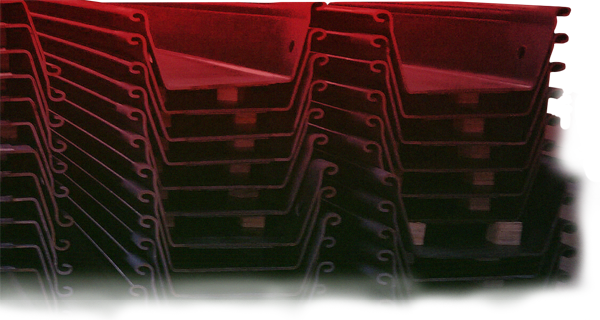
With over 40 years of experience, we supply high-quality steel products to support heavy-duty construction efforts across the Philippines. We source from established partners across Asia and Europe, ensuring consistent material performance that meets precise structural requirements in industrial applications.
Our global supply network allows us to offer the highest quality steel at competitive rates. From steel beams to sheet piles, our components support efficient fabrication and long-term structural reliability to meet the most complex process-driven needs.
Key Takeaway
These factors explain why steel structures are the best choice for industrial buildings across different sectors. Contractors and procurement officers gain a structural system that delivers efficient performance for years to come.
With a reliable supplier at your side, you can reinforce these advantages to maximize steel’s supportive qualities. Metal Exponents Inc. provides steel products aligned with industrial performance requirements. Contact us today to secure solutions built for lasting dependability!