Safe Stacking Techniques for Heavy Steel Beams
Overview
- Heavy steel beams require more than simple on-site storage, as improper stacking can pose serious safety risks to both workers and structural materials. Procurement teams must follow stable support methods to prevent beam shifting and handling damage throughout project operations.
- This article explores stacking techniques for critical structural components. It addresses various practices, such as proper stacking orientation and stepped stacking layouts.
- Metal Exponents Inc. supports construction professionals with durable steel products and practical handling guidance backed by decades of industry experience.
A procurement officer holds many responsibilities: supplier coordination, logistics, and most importantly, safety. Steel components, such as heavy beams, require expert handling upon arrival at the worksite. Without a proper stacking system, these components can pose a safety hazard during retrieval and installation.
Improper stacking affects more than storage efficiency. Unstable beam configurations create handling risks that can result in material damage, project delays, and safety incidents that affect the entire site operation.
To help ensure a safe and secure site, here are some safe stacking techniques for heavy steel beams that help procurement teams maintain both structural reliability and site safety throughout the project.
Foundational Support
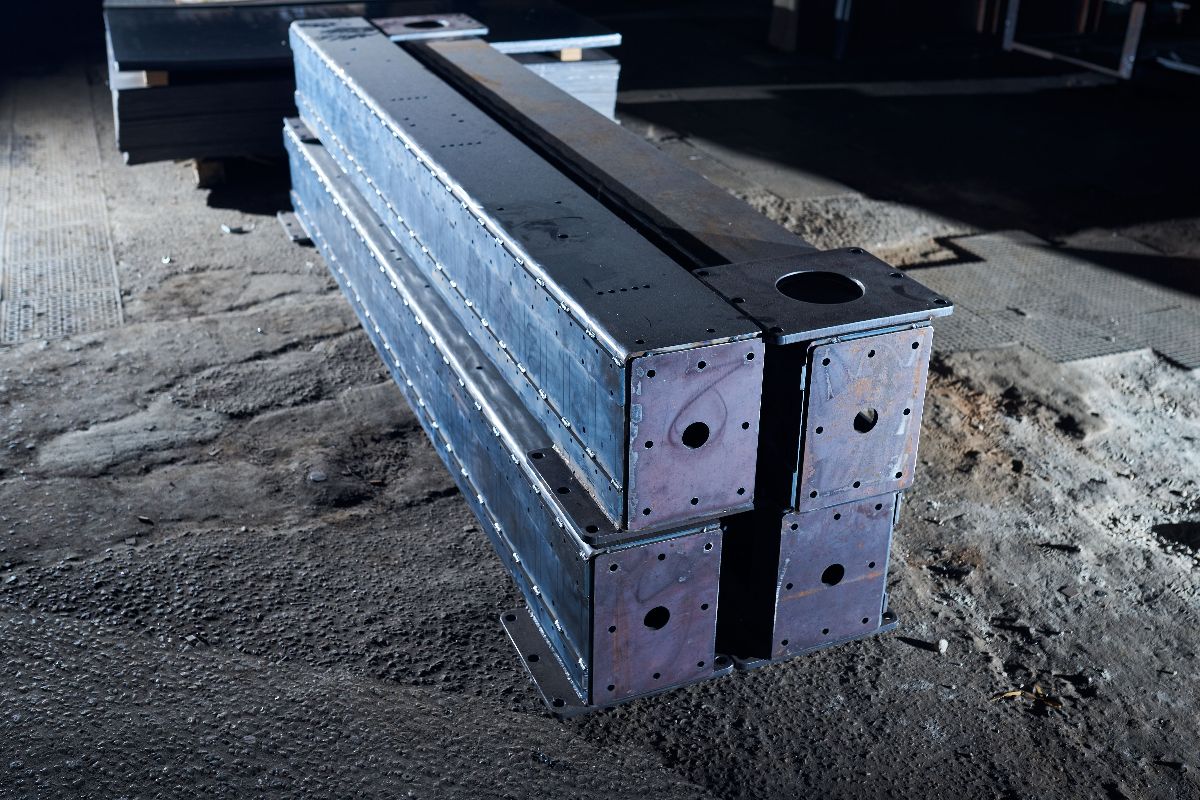
Stable support conditions the beams’ security throughout storage and handling operations. Proper ground preparation and load distribution techniques help prevent beam shifting and structural instability during stacking.
Stack Beams on Solid Ground
Flat, unyielding surfaces provide the even load-bearing stability required for long-term beam storage, with concrete pads being one of the most reliable options available on active construction sites. Ground conditions directly affect how weight transfers across the entire stack during storage, so it’s important to choose a stable lying point for the components.
By contrast, soft soil or uneven gravel settles unevenly once beam weight is applied from above. If the base surface shifts or compresses unevenly, the beams can tilt or create unstable pressure points between layers. These movements increase the risk of material damage and create hazardous conditions for workers moving around the storage zone.
Use Dunnage
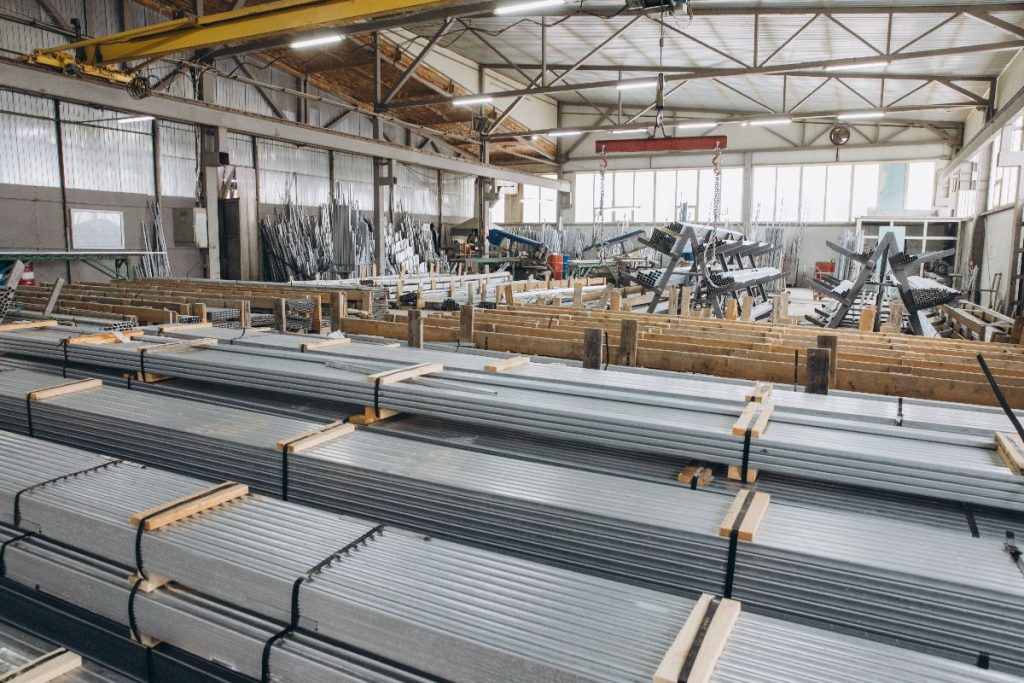
Dunnage keeps heavy steel beams evenly supported and elevated, reducing pressure between layers. Hardwood blocks or heavy-duty timber supports positioned at consistent intervals beneath the beams stabilize the load and make forklift and crane access easier during retrieval.
Aligning each support vertically from the bottom layer upward ensures that weight transfers evenly throughout the stack. Maintaining equal spacing between support points and ensuring each layer rests securely without overhanging unsupported sections helps preserve beam alignment and reduces handling risk during retrieval.
Stacking Configuration
Beam arrangement directly affects how safely the load performs during storage and retrieval. Proper stacking configurations help control weight distribution and reduce the likelihood of displacement inside active construction areas.
Lay Beams in a Horizontal Orientation
Laying beams flat on their widest surface maintains a low center of gravity, distributing weight evenly across the support structure and removing concentrated pressure along narrow edges. This orientation also allows for easier inspection, access, and lifting during project operations.
Aligning beams parallel to one another across every storage layer keeps the load stable. Flanges and edges should sit evenly on support points so the load remains stable throughout the full stack width. Mixing beam sizes within the same layer creates unstable contact points between materials and should be avoided.
Use the Block and Chock Method
The Block-and-Chock Method prevents stored beams from rolling or separating during storage and handling. Solid blocks placed beneath the beams provide foundational support, while chocks positioned tightly against the sides protect components from vibration and frequent equipment traffic.
Securing both sides of each beam using durable wedge-shaped restraints and inspecting them regularly confirms they have not loosened due to repeated vibration. By combining blocking supports with secure chocking systems, procurement teams can maintain a more controlled and stable storage setup for heavy steel loads.
For heavy structural components that require reliable dimensional stability from delivery through to installation, Metal Exponents Inc. supplies steel products engineered to maintain structural integrity under demanding site conditions.
Height Limits
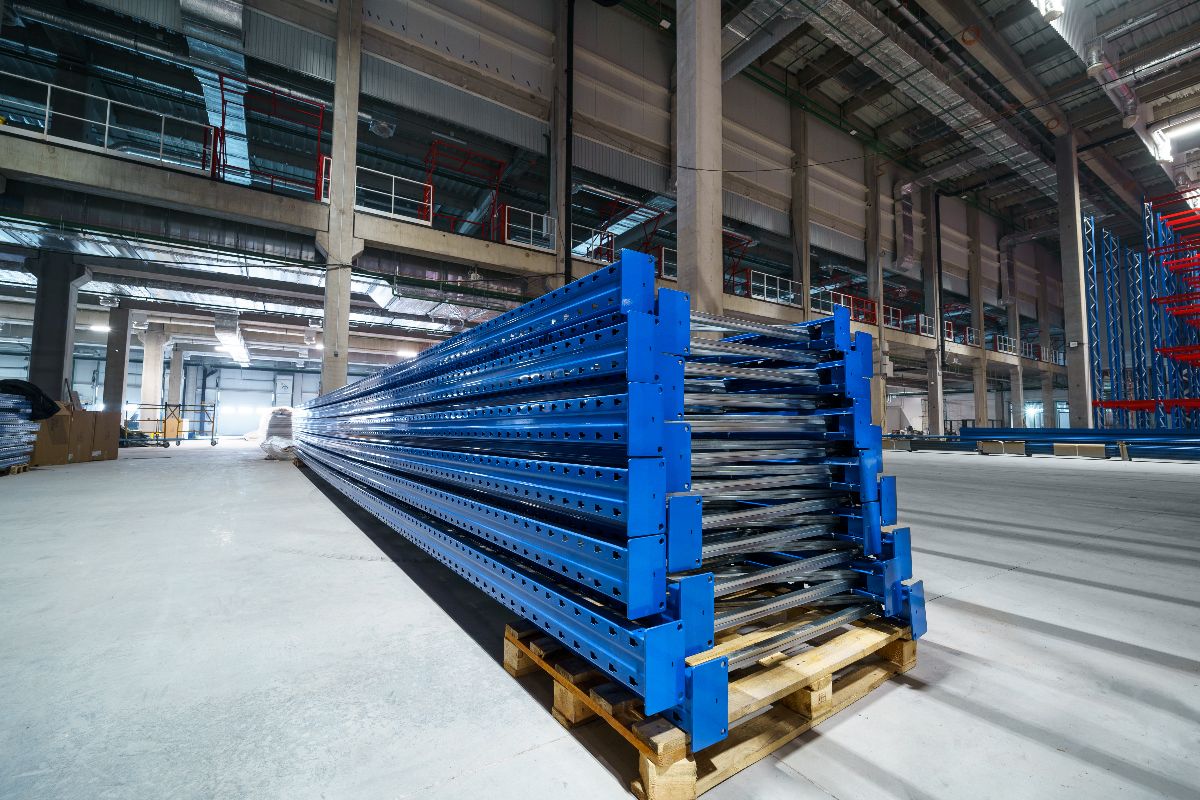
Stack height determines how safely weight transfers through stored beam layers and how stable the overall load remains during site activity. Controlled stacking heights reduce the risk of collapse and make beam retrieval safer for equipment operators and ground personnel.
Maintain Stack Stability
Avoiding stack heights greater than three times the base width is one of the most important principles in heavy beam storage. Taller stacks place excessive vertical pressure on lower support points, making them more vulnerable to collapse during uneven load transfer. Once the center of gravity becomes too high, the entire stack becomes significantly less stable for both stored materials and nearby workers.
Building wider base layers maintains consistent weight distribution across every level of the stack. Beams aligned evenly on support points with uniform spacing between layers reduce the likelihood of shifting during site activity. Equipment operators should also avoid sudden impacts during retrieval, as such movements can destabilize improperly stacked loads.
Build Pyramid or Stepped Pile Stacks
For irregular beams, pyramid-shaped or stepped stacks improve stability by placing the heaviest load at the base while progressively narrower upper layers maintain structural balance. This arrangement reduces the likelihood of falls or displacement when it’s time to install the beams.
Building these stacks starts with placing the largest and heaviest beams at the base, then gradually reducing layer width toward the top. Keeping each upper layer centered over the supports maintains consistent weight distribution across the stack.
Key Takeaway
Applying safe stacking techniques for heavy steel beams from the moment components arrive on site is one of the most effective ways to prevent material damage, reduce handling risks, and keep project timelines on track.
At Metal Exponents Inc., we provide durable steel products and practical industry expertise to help procurement professionals manage materials more safely on site. Contact us today for more guidance on reliable steel handling for your construction needs.