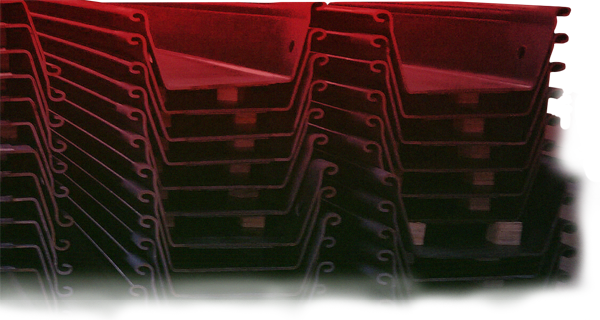
Why Proper Steel Storage Can Extend Material Lifespan
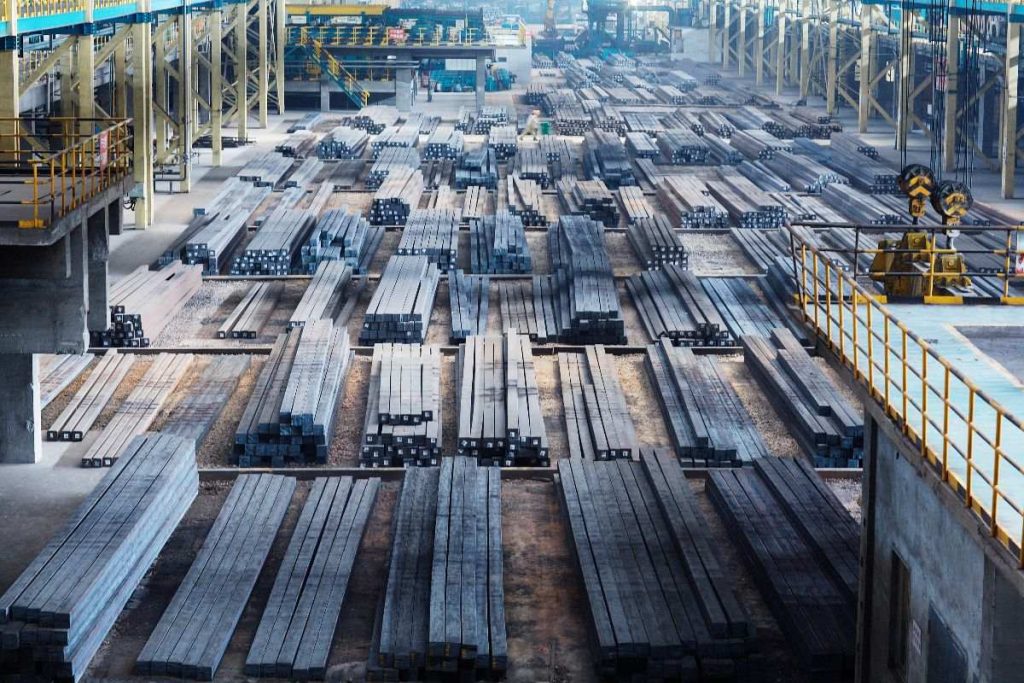
Overview
- Steel components can still deteriorate prematurely if they are stored without proper environmental and handling controls. Exposure to moisture and contact with incompatible materials both contribute to corrosion and coating damage before installation even begins.
- Understanding why proper handling extends material lifespan helps procurement teams protect material quality and maintain structural reliability throughout a project’s duration.
- Metal Exponents Inc. supports these efforts with durable steel products and practical industry expertise tailored to professional construction and procurement requirements.
Steel components begin their service life long before they reach the installation site. From the moment materials are delivered, storage conditions directly influence how well they perform once integrated into a structure.
However, even high-specification steel products are not immune to deterioration when handling requirements are overlooked. Moisture exposure, inadequate support, and contact with incompatible materials can all compromise material integrity during storage, often in ways that are not immediately visible.
To help ensure stronger and longer builds, here’s why proper steel storage extends material lifespan and what procurement teams can do to protect material quality from the moment components arrive on site.
Why Proper Storage Maximizes Longevity
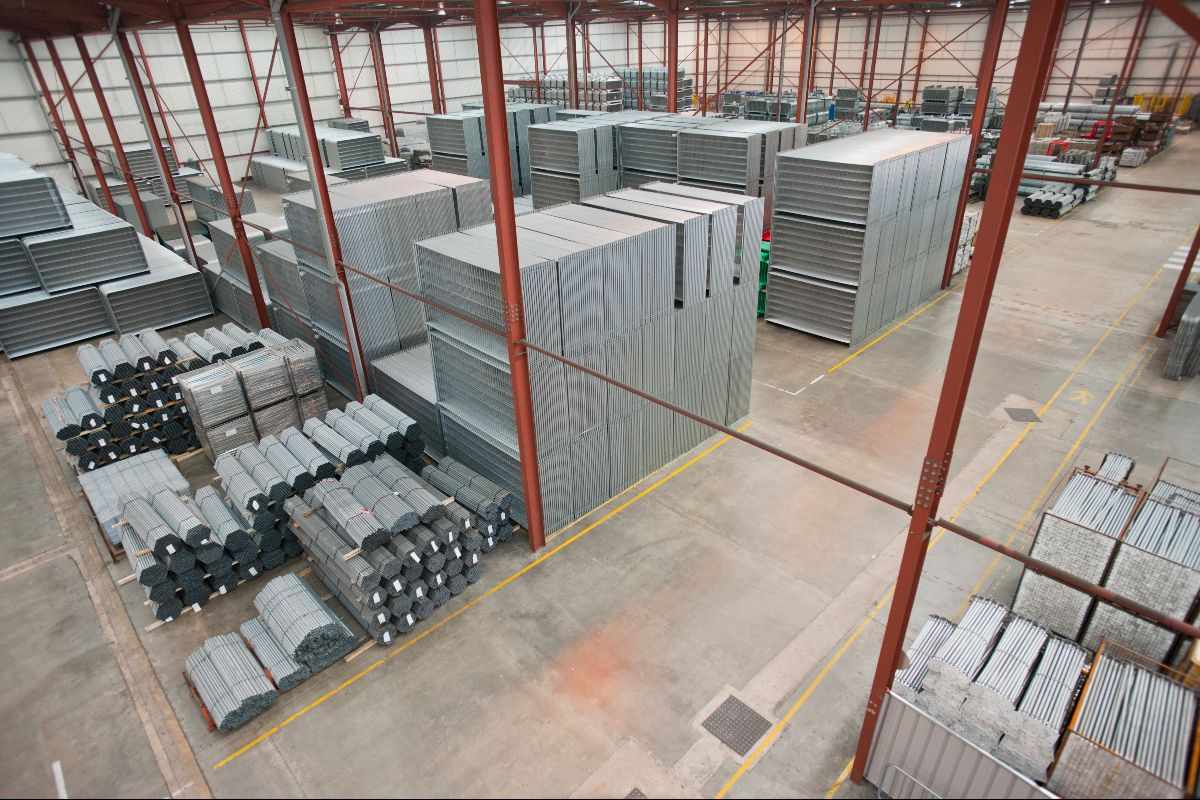
Proper storage maximizes steel service life by controlling the environmental and mechanical factors that drive early-stage degradation. These conditions prevent handling stress from compromising material integrity before installation.
Prevents Corrosion and Rusting
Corrosion of stored steel is driven by uncontrolled moisture and prolonged oxygen exposure. Improper practices, such as outdoor stacking with insufficient cover or poor site drainage, commonly trigger this condition. If steel components are left in areas that allow water accumulation or chemical exposure, procurement teams risk accelerating the material’s deterioration.
To reduce this risk, it’s important to store materials in controlled storage environments. The steel parts must be kept in well-ventilated spaces, separated from the ground using pallets to prevent debris and moisture from accumulating. Placing them in places with stable airflow helps the components maintain a dry surface condition and slow the reaction that leads to rust formation.
Protects Finishes
Surface finishes last longer in storage because controlled conditions prevent mechanical abrasion and chemical contamination that break down protective coatings. Unprotected stacking and exposed handling allow repeated surface contact that gradually degrades coating integrity. This deterioration reduces the steel’s corrosion resistance before installation.
Maintaining separation between materials prevents coating damage caused by friction and load pressure during storage. Shielded environments limit pollutants from settling on treated surfaces, preserving the functional barrier that protects the steel.
Avoids Physical Deformation
Steel maintains structural accuracy over its service life when storage conditions prevent uneven load stress during stacking. Deformation occurs when weight is concentrated on unsupported sections, gradually altering the component’s original shape. These changes reduce fit accuracy and structural performance during installation.
Consistent support along the full length of stored materials prevents localized stress buildup from affecting the final component’s performance. By adopting the most suitable stacking configuration, procurement teams can preserve the parts’ dimensional stability until the steel is placed in service.
Stops Galvanic Corrosion
Material longevity improves in storage areas where incompatible metals are not left in electrical and moisture-sharing contact. Corrosion develops at junctions where two different metals form a reactive interface under damp conditions, leading to accelerated breakdown of one of the surfaces. The damage concentrates in specific zones and spreads over time.
Isolation between metal types removes the conditions that allow electrochemical interaction to form. Separation methods such as non-conductive rubber spacers and plastic or timber barriers prevent direct metal-to-metal contact. Without shared moisture pathways, the electrochemical reaction cannot initiate during storage.
Best Practices for Steel Storage
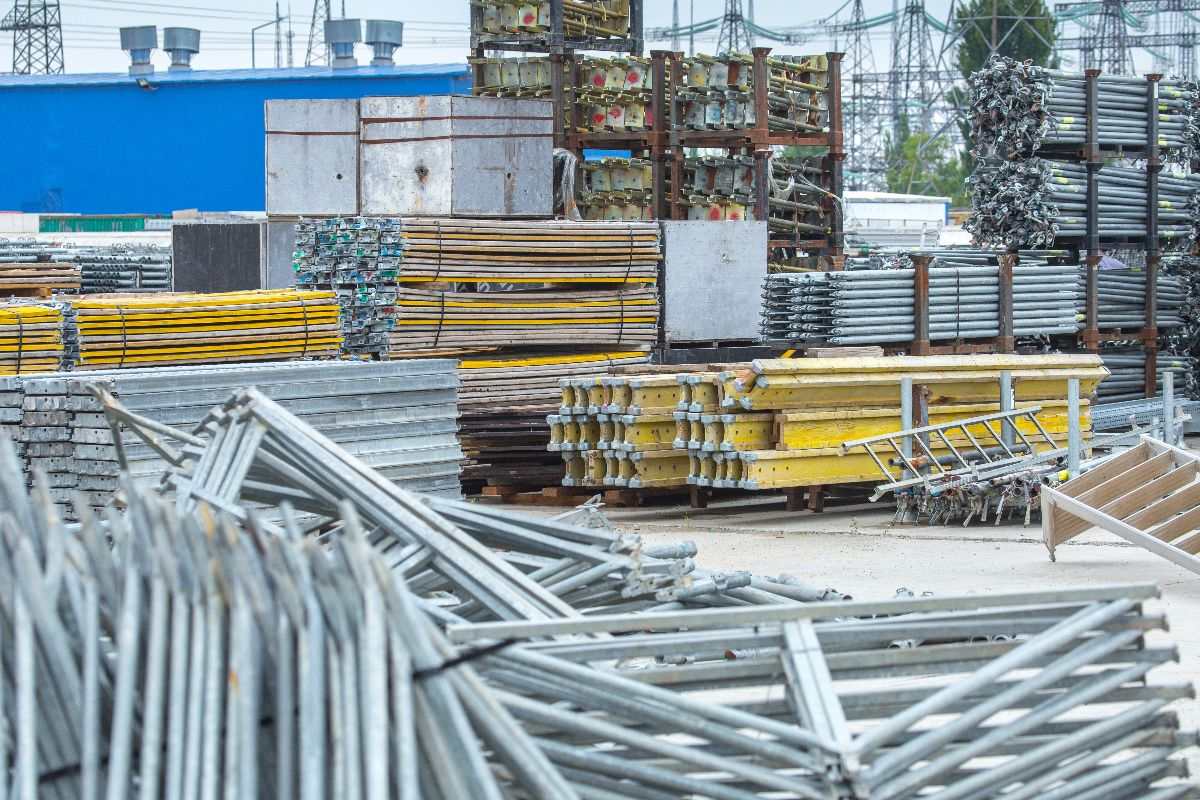
Steel lasts longer when storage conditions are properly controlled to prevent early structural deterioration. The following practices reduce common storage-related damage before installation:
- Maintain Climate Control: Store steel in enclosed or covered areas with stable temperatures. This reduces moisture accumulation and limits the temperature fluctuations that accelerate surface oxidation and coating degradation over time.
- Keep Off the Floor: Place steel on elevated platforms, such as pallets, racks, or sleepers, to prevent moisture from the soil from transferring to the steel and to avoid contamination from dirt. Direct ground contact creates persistent moisture exposure at the base of stored components, which is one of the most common causes of early corrosion in warehouse and site storage environments.
- Use Spacers When Stacking: Insert non-metal spacers between stacked steel pieces to create consistent separation and load distribution. This prevents coating damage from friction and reduces the risk of localized deformation caused by uneven weight concentration across stacked components.
- Regulate Airflow: Ensure storage areas have steady ventilation to allow air to circulate stored materials. Stagnant air traps humidity around steel surfaces, creating the damp conditions that initiate rust formation and accelerate finish deterioration even in covered storage areas.
Key Takeaway
Understanding why proper steel storage can extend material lifespan allows procurement teams to protect steel quality well before materials reach the installation site. With the correct insights into storage conditions and handling practices, professionals can maintain material’s integrity and ensure long-term structural reliability.
At Metal Exponents Inc., we supply durable steel products tailored to demanding project requirements. Our team helps procurement professionals secure reliable materials that maintain their quality from storage to installation. Contact us today for more insights into proper care for steel components.