How Are Steel Materials Used in Interior Design?
How are steel materials used in interior design?
- Structural exposure
- Furniture and fixtures
- Staircases and railings
- Kitchen and bath
- Room dividers
Overview
- Steel plays a vital role in modern interior design by combining structural performance with the flexibility to support a wide range of functional and aesthetic applications.
- From exposed structural elements and furniture to staircases, kitchens, bathrooms, and room dividers, steel enhances durability, spatial organization, and contemporary design.
- Understanding how steel materials are used in interior design helps inform better material selection, while Metal Exponents provides high-quality steel products for architectural and construction projects.
In contemporary architecture, interior spaces rely on carefully selected materials to achieve both functional and visual balance. Steel, in particular, is often integrated into elements that define structure, detail, and spatial organization in environments where precision and long-term performance are required.
Its adaptability allows it to be used across both visible and concealed interior components, supporting a wide range of design and construction requirements. This raises a key consideration in modern interior planning: how steel materials are used in interior design, whether for structural framing, spatial definition, or functional applications.
Let’s take a closer look at its key applications across interior design systems.
Structural Exposure
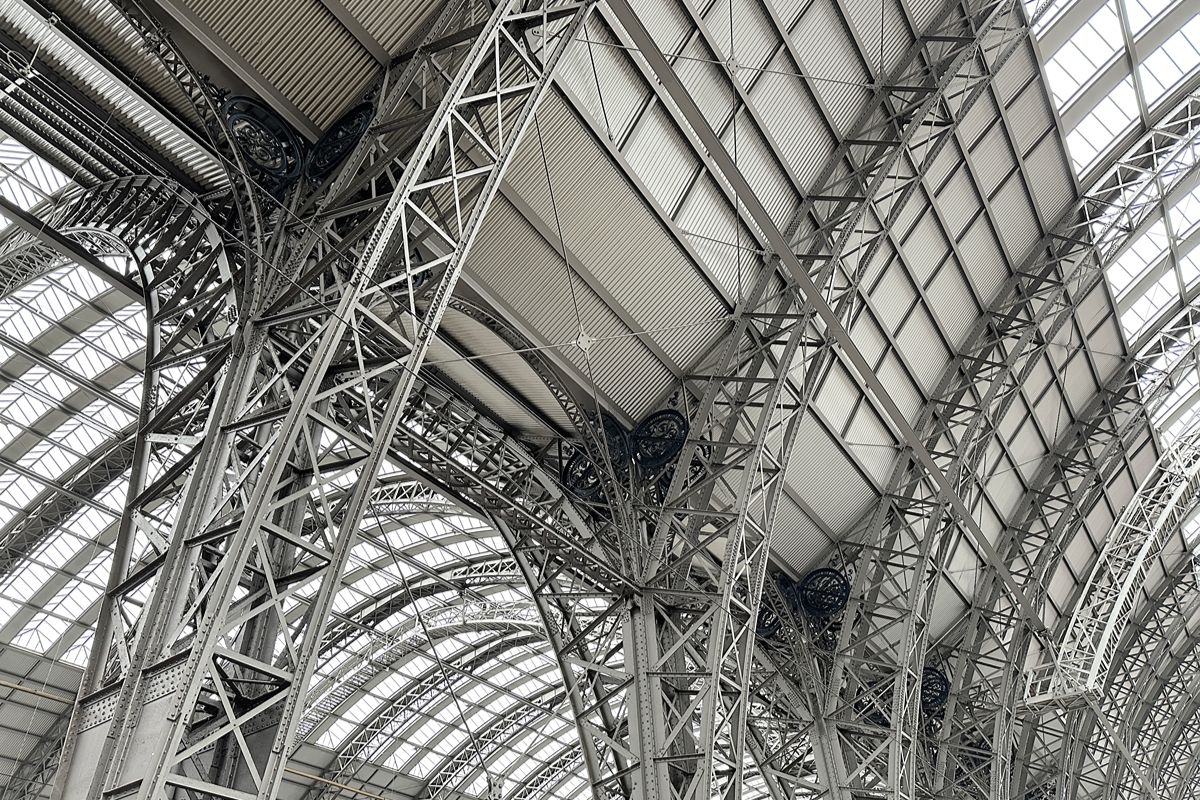
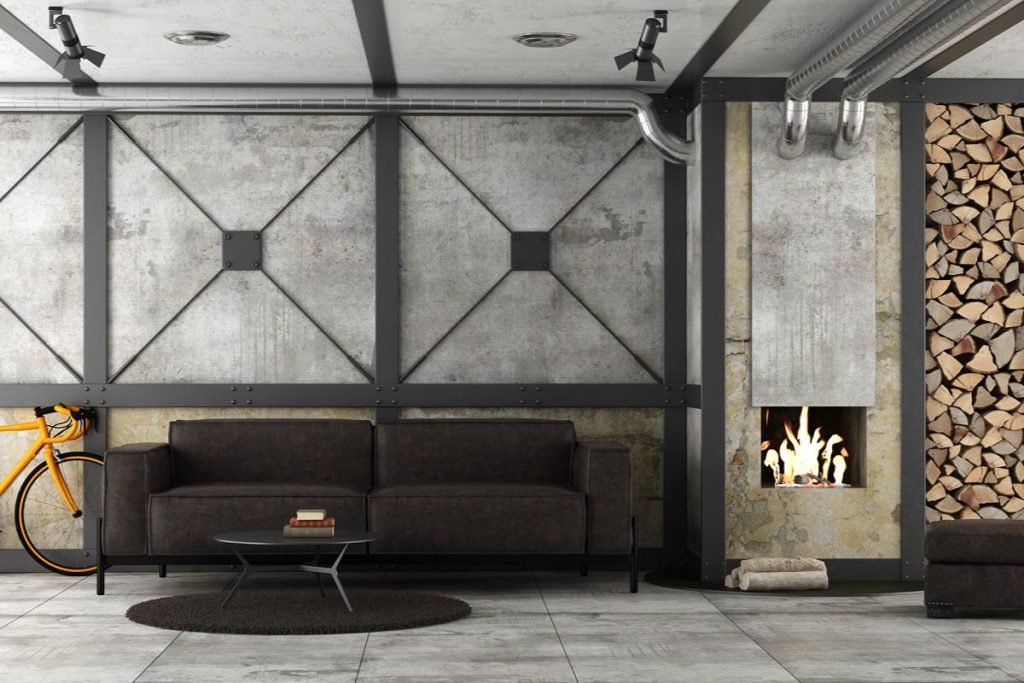
Steel is often left exposed in interior spaces to highlight structural elements as part of the architectural design. Instead of concealing load-bearing components, this approach uses steel frameworks to convey strength while contributing to the space’s visual identity.
This design direction is commonly seen in industrial-inspired interiors where exposed beams, open layouts, and raw finishes emphasize material authenticity and structural clarity. It is also associated with adaptive reuse projects such as converted warehouses and industrial buildings, where existing steel frameworks are retained as part of the original architectural character.
Leaving steel in its natural mill finish creates a raw, industrial look, while blackened steel offers a more uniform, controlled appearance suited to consistent interior detailing.
Furniture and Fixtures
In modern interior design, steel is often combined with wood, glass, or engineered surfaces to create functional pieces.
Steel tubing, in particular, is the preferred material used for furniture due to its combination of strength and efficiency. It offers high load-bearing capacity while remaining relatively lightweight, enabling minimalist frames that help maintain a sense of openness in interior spaces.
Folded sheet steel offers another design approach, in which flat metal is formed into rigid three-dimensional shapes. This creates strong yet lightweight furniture components with a distinct structural logic, often used for modern, industrial, or architectural style pieces.
Staircases and Railings
Steel is widely used in staircases and railings where safety, precision, and structural reliability must work alongside architectural design.
A notable trend in modern interior design is the floating staircase, in which treads appear to extend from the wall without visible support. This effect is achieved through concealed steel stringers or wall-mounted steel channels, often fabricated for precision and structural consistency. These components can also be powder-coated in various finishes and paired with materials such as wood to achieve a balanced, minimalist aesthetic.
Steel also enables sculptural designs such as spiral staircases, where slim steel frameworks are combined with wood or other materials to create space-efficient, refined architectural forms.
Kitchen and Bath
Steel with high resistance to moisture and corrosion is commonly used in kitchen and bathroom interiors. These environments require materials that can withstand frequent cleaning, temperature changes, and constant exposure to water.
In kitchens, steel is often used for countertops, sinks, shelving systems, and equipment framing. Its non-porous surface makes it easy to clean and maintain.
On the other hand, in bathroom environments, steel is typically integrated into fixtures, support frames, and partition systems where moisture resistance is critical.
Room Dividers
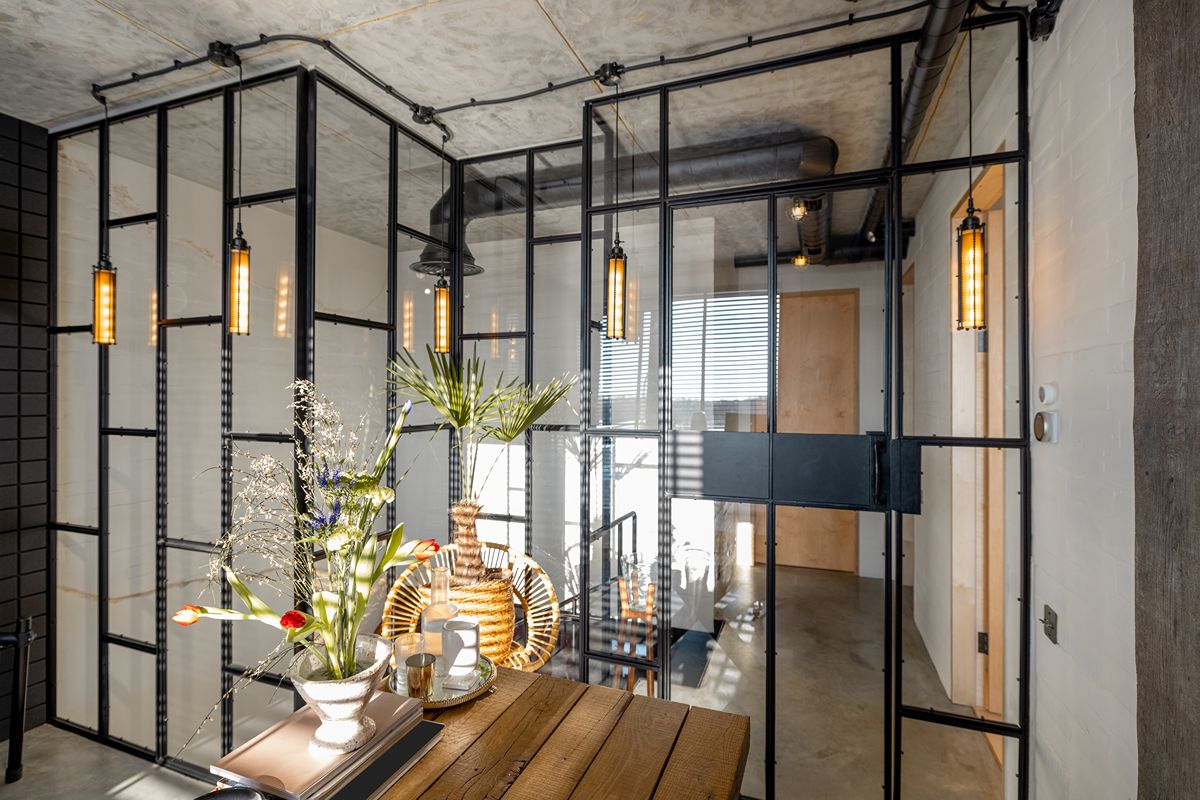
Modern interior spaces often need to be divided without making them feel enclosed or heavy. To solve this, you can use steel-framed room dividers, as they provide structure where needed while keeping the space open and visually connected.
Slim steel frames paired with glass panels create a clear physical separation, but the overall effect remains light and unobtrusive. The simplicity of the frame design also gives it a timeless quality that fits well in both modern and more traditional interiors.
What makes this system especially effective is how it allows natural light to move freely across spaces while still defining distinct functional areas. With its clean lines and efficient structure, steel works well in interior layouts that prioritize openness, flexibility, and visual balance.
Explore Quality Steel Products at Metal Exponents
With 45 years in the industry, we at Metal Exponents provide high-quality steel products for a wide range of interior and construction applications. Our materials are designed to deliver structural strength, versatility, and consistent performance, making them suitable for both architectural and industrial applications. These products can also be used in other applications, including home appliances, where durability, aesthetic appeal, and resistance to heat and corrosion are essential for long-term functionality.
Key Takeaway
From exposed interiors to functional installations such as staircases, partitions, and fixtures, steel continues to shape the design and construction of modern spaces. These are some applications that show how steel materials are used in interior design.
For high-quality steel products built for strength and reliability, Metal Exponents offers materials designed for a wide range of interior and construction applications. Get in touch with us for inquiries on high-quality steel products.