What are the Quality Control Issues That Steel Suppliers Can Solve
What are the quality control issues that steel suppliers can solve?
- Substandard chemical and mechanical properties
- Dimensional inaccuracies
- Material mix-ups
- Corrosion and rust
- Surface defects and cracking
Overview
- Steel quality issues often originate at the supplier level, making quality control essential to maintaining material reliability and preventing costly project delays.
- Effective supplier practices such as material certification, dimensional accuracy, traceability, corrosion protection, and defect inspections help ensure steel meets project specifications and performance requirements.
- Choosing a trusted supplier like Metal Exponents helps address critical quality control issues through rigorous standards, reliable documentation, and high-quality steel products.
Minor inconsistencies in material composition or processing can lead to significant issues once steel is used in framing, support systems, and industrial installations. Inconsistent mechanical properties, dimensional inaccuracies, and surface defects are among the common challenges that can disrupt project timelines and increase rework costs.
These issues are neither rare nor isolated; they often stem from gaps in supplier-level quality control systems. When left unaddressed, these risks can compromise both construction efficiency and structural integrity. This raises a key concern for project contractors: what quality-control issues can steel suppliers solve to prevent these outcomes? Let’s break them down below.
Substandard Chemical and Mechanical Properties
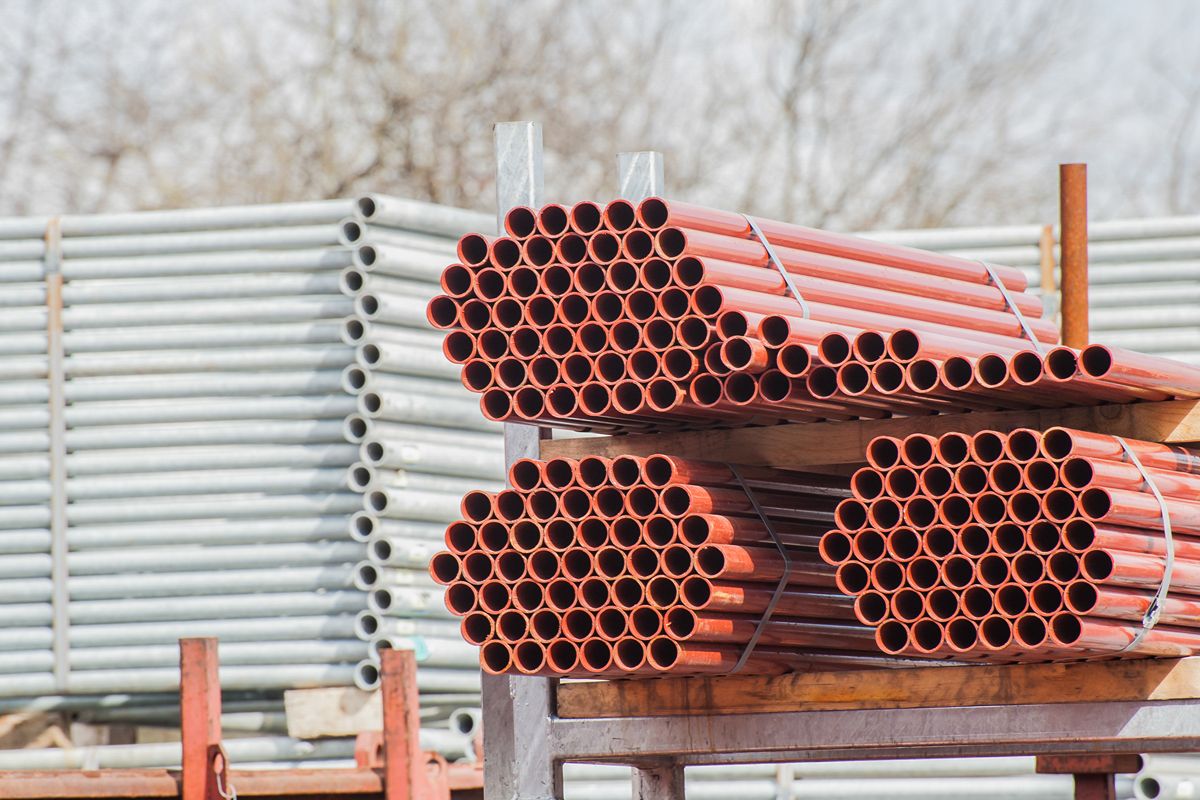
One of the most critical yet less visible issues in steel supply is inconsistent material properties, such as yield strength, tensile strength, and ductility. When these mechanical properties fall outside the required specifications, they can result in serious structural performance issues.
A trusted supplier addresses these risks by providing mill test reports (MTRs) for every batch of steel products delivered. An MTR is a formal document that certifies a material’s chemical composition and mechanical properties, and that it has been tested and manufactured in compliance with recognized standards such as ASTM or ASM.
By relying on properly documented, standards-compliant materials, you can reduce uncertainty about material performance and ensure that the supplied steel has undergone proper testing.
Dimensional Inaccuracies
Variations in length, thickness, or profile sizing can create unexpected adjustments during installations or fabrication. This gap between expected and actual dimensions can disrupt planned workflows and require on-site modifications that affect efficiency and sequencing.
These discrepancies are not always immediately apparent during supplier-level inspections, making them more challenging to anticipate in project planning.
This is why working with suppliers that offer value-added processing services such as cutting, shaping, and steel fabrication can help ensure materials are prepared according to project-specific requirements. At Metal Exponents Inc., these additional services can help you achieve more precise material specifications, reducing the need for on-site adjustments.
Material Mix-Ups
Material mix-ups often stem from inconsistencies in traceability and documentation across the supply chain. Without reliable identification systems, even small errors in labeling, batching, or handling can lead to steel being delivered under the wrong grade or specification.
For example, substituting carbon steel for 304 stainless steel results in significant differences in corrosion resistance and mechanical properties, compromising structural performance. This is why verification relies heavily on proper documentation and traceability records provided by the supplier.
A reliable supplier can help prevent such issues by implementing strict traceability systems, standardized labeling, and complete documentation for every batch of steel or beams. These controls ensure that each material can be verified from production to delivery, giving you confidence that you get the right steel materials.
Corrosion and Rust
Corrosion and rust can begin forming long before steel is used in structural applications, especially when exposed to uncontrolled storage conditions for extended periods. Once left unprotected, surfaces can gradually be exposed to humidity, rain, and direct moisture, triggering surface oxidation.
Sourced from China, Japan, Taiwan, Korea, and Europe, countries known for advanced steel manufacturing standards, we ensure that we only provide high-quality imported steel engineered for improved resistance to wear, corrosion, and deformation.
In addition, we offer processes such as steel blueing, which provides additional surface protection by forming a controlled oxide layer that resists environmental conditions.
Surface Defects and Cracking
Surface defects and cracking often originate during the steel manufacturing process, where inconsistencies in rolling, cooling, or finishing can affect material integrity. These may appear as surface irregularities or micro-cracks that are not always visible during standard inspection.
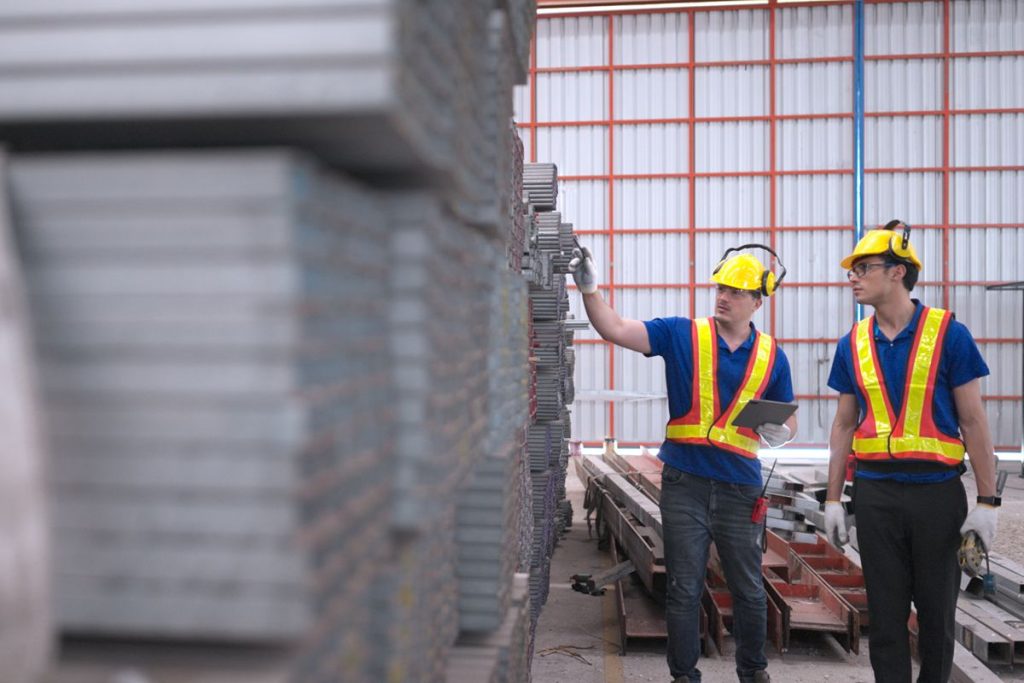
To address this, a trusted supplier performs rigorous batch inspections using both visual checks and destructive testing to detect surface and internal defects early. Strength and durability are also verified through mechanical testing, including tensile and yield strength evaluations, to confirm material performance.
In addition, material inspections are conducted to ensure compliance with the required specifications before delivery.
How to Guarantee Quality

To ensure consistent steel quality across every stage of a project, you need structured systems that verify materials from production to delivery. This includes working with suppliers that follow clear standards for certification, inspection, and accountability.
- Certifications: Ensure suppliers hold recognized industry certifications and standards such as ASTM, international mill standards, and ISO to confirm consistent material quality and compliance.
- Pre-Shipment Inspections: Require suppliers to conduct pre-shipment inspections to verify the material condition, specifications, and compliance prior to dispatch.
- Define SLAs: Establish clear service level agreements (SLAs) that set measurable expectations for quality, delivery timelines, and supplier accountability.
Key Takeaway
Steel quality issues don’t start on-site; they begin at the supplier level, which is exactly why knowing the quality control issues steel suppliers can solve makes a real difference.
That’s why at Metal Exponents Inc., we provide high-quality steel products backed by strict quality control standards to help ensure reliability from production to delivery. For project requirements and inquiries, feel free to connect with us.