Common Supply Chain Issues That Raise Material Prices in the Philippines
Overview
- Construction material prices in the Philippines often change due to common challenges in supply distribution. Port delays and operational inefficiencies can all increase costs and complicate project planning.
- By understanding these issues, construction teams can plan more effectively and keep their projects on track.
- Metal Exponents provides high-quality steel components that contractors can trust. With reliable supply, careful logistics management, and expert support, we help professionals minimize risks and maintain consistent project performance.
Construction supply costs are never fixed, and every experienced contractor has seen how quickly quotes can shift during procurement. Sudden price fluctuations can significantly affect project profitability. Without proactive planning, construction firms may struggle to meet client expectations under tight deadlines.
To set realistic sourcing expectations, it’s essential to understand the common supply chain issues that raise material prices in the Philippines. Gaining insight into the root causes of these challenges enables contractors to protect their project’s overall success. Continue reading to learn more.
Logistics and Infrastructure
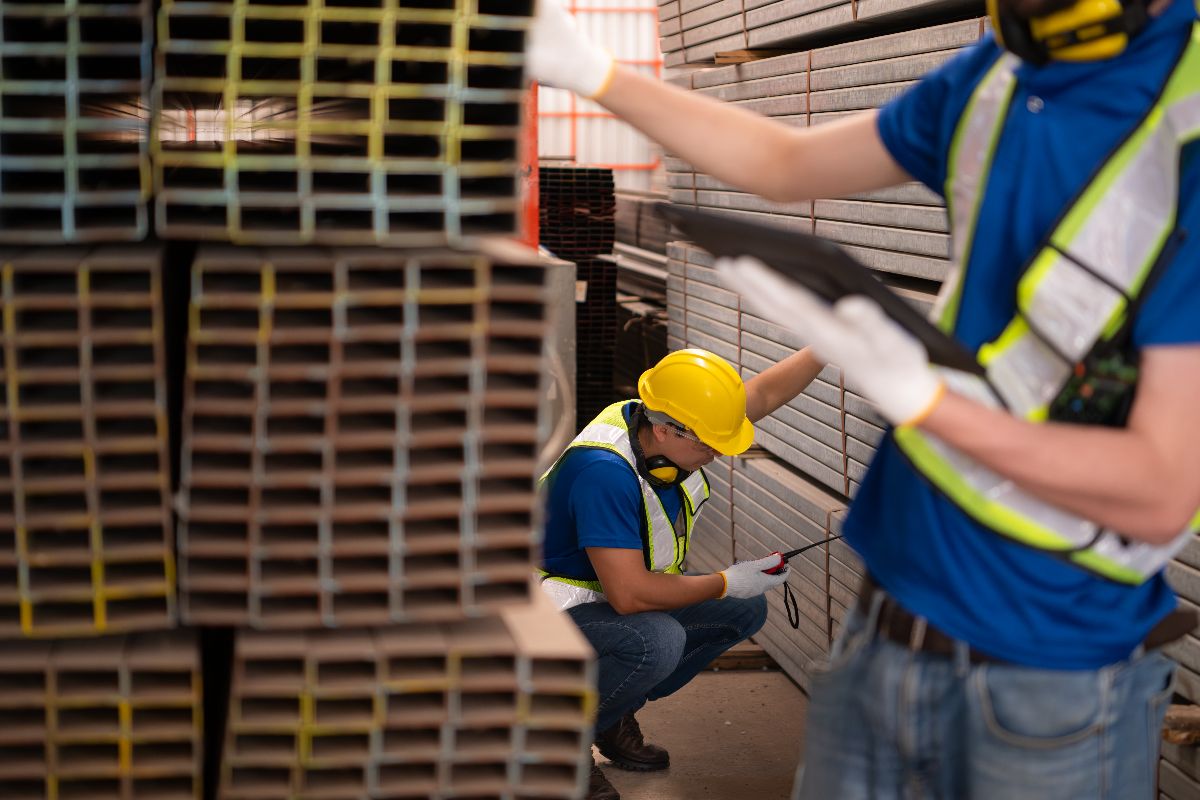
Inefficient logistics directly increase material costs by slowing down the movement of construction supplies. Port delays force contractors to absorb unexpected price fluctuations and pay higher freight fees.
Transportation Bottlenecks and Port Congestion
When ports become congested, limited shipments create scarcity that drives up local material prices. Imported components in the Philippines pass through major ports before inland transport. Congestion can arise from limited berthing space and slow cargo handling, which extends lead times and creates unpredictable delivery schedules.
These issues increase storage and demurrage fees because delayed shipments occupy limited port space longer. This reduces local material availability, prompting suppliers to increase prices to keep up with constraints. The resulting cost fluctuations not only make budgeting more difficult but also increase the overall price of imported construction components.
High Freight Costs
The more global demand outpaces available shipping capacity, the higher the freight costs for imported materials. Issues like fuel price fluctuations and limited container availability can further amplify these charges, as carriers raise shipping rates and prioritize routes with higher profitability. As a result, suppliers pass these added costs to contractors and increase the landed price of steel and other materials.
These rising freight costs affect project planning and cash flow for contractors. Unpredictable rate fluctuations make it difficult to lock in budgets or schedule deliveries with certainty. Contractors may need to order materials earlier or in larger quantities to mitigate delays, which can further increase upfront costs.
Environmental and Climate Factors
Frequent typhoons and unpredictable climate shifts also contribute to rising costs, as these events can delay deliveries and halt production. Contractors must account for these possible hurdles when planning procurement and project timelines.
Severe Weather Events
The Philippines faces roughly 20 tropical cyclones each year, with 8 to 9 typically making landfall. Severe weather can cause significant surges in component prices due to supply chain interruptions and sudden surges in repair demands. When transportation infrastructure is damaged, the resulting logjams can hinder the delivery of essential supplies. This causes a temporary shortage that inflates their cost.
Contractors must adjust procurement strategies to mitigate the impact of severe weather. This often means ordering materials before the projected stormy seasons or maintaining larger inventories, which further increases upfront costs. These precautions, while necessary, can strain budgets and make it harder to manage cash flow after each weather event.
Climate Change Concerns
Long-term climate policies and environmental regulations also shape the economics of material production. Stricter carbon emission standards require mills to invest in cleaner technologies and compliance systems, which raises production costs. These additional expenses are reflected in the final pricing of exported materials, affecting construction firms that rely on imported components.
Global pressure to decarbonize heavy industries has also introduced sustainability-linked tariffs in certain regions. The most significant of these is the European Union’s Carbon Border Adjustment Mechanism (CBAM). This adjusts the price of energy-intensive products based on their carbon emissions. Suppliers exporting to the Philippines must factor these additional costs into their material prices.
Operational and Management Challenges
Material price inflation often stems from operational issues and inefficiencies. Poor inventory control and uncoordinated processes create bottlenecks that force contractors to adjust both project schedules and budgets.
Material and Component Shortages
Critical materials and components often become more expensive as they grow scarce during peak seasons. When raw materials are limited or production capacity is maxed out, suppliers may prioritize larger long-term contracts to secure guaranteed revenue. This leads to reduced availability in the spot market, which drives up prices for many construction teams.
Furthermore, shortages may extend to fabricated assemblies and specialty steel sections. If a single critical component becomes limited in availability, entire production lines may slow down to keep up with demand.
To save on costs, construction teams must choose a reputable supplier who can consistently maintain the stocks needed for their project.
Manual Processes
Inefficient procurement systems can indirectly raise material costs by slowing order processing and increasing error rates. Manual inventory tracking can sometimes lead to delayed quotation approvals. Sometimes, it may also result in poor information communication with the supplier. These create uncertainties across the supply chain, leading suppliers to pad pricing to mitigate administrative risks.
To mitigate this, many distributors digitize operations to reduce these inefficiencies. They utilize integrated inventory systems to reduce the risks of manual errors. Reliable suppliers also practice proper coordination, providing clearer timelines and more stable pricing structures for their partners. Working with efficient and technologically capable partners minimizes avoidable unnecessary cost escalations.
Import High-Quality Metal Components from Metal Exponents
With over 40 years of experience, Metal Exponents delivers top-quality steel products crafted to meet the exacting standards of construction professionals. Our team of logistics specialists and dedicated sales staff ensures every order is handled with precision, guaranteeing your projects stay on schedule.
Metal Exponents is committed to delivering the quality and reliability your projects demand. Through competitive pricing and careful logistics management, we ensure every order meets the highest standards for performance and timing.
Key Takeaway
Cost fluctuations in construction are rarely random; often, they are rooted in common supply chain issues that raise material prices in the Philippines. Contractors who understand these factors can better forecast costs and, above all, safeguard their project’s overall success.
With Metal Exponents, you can secure high-quality steel components that meet the strictest industry standards. Get a quote today to ensure you partner with a reliable provider who can provide a consistent supply for your projects.