How Do Weather Conditions Affect Building Materials?
How do weather conditions affect building materials?
- High corrosion and rusting risks
- Repetitive thermal expansion and contraction
- Severe structural strain from high winds
- Premature coating failure from intense UV exposure
- Frequent water infiltration in seams
Overview
- Weather conditions significantly impact the durability and performance of construction materials. Many environmental factors can gradually weaken structures and accelerate material degradation, but with proper understanding, construction professionals can effectively mitigate their effects.
- This article provides project professionals with the necessary insights to anticipate potential risks and select materials that maintain structural integrity over time.
- For buildings exposed to the Philippines’ harsh climate, high-quality steel components are especially effective in resisting these stresses. Metal Exponents provides engineered steel solutions and expert guidance to ensure your framework remains durable and safe.
Intense sunlight, heavy rains, and the occasional typhoons. The Philippines’ climate poses significant challenges for construction projects. For large-scale builds, these natural conditions can expose weaknesses even in the strongest components. It raises an essential question: How do weather conditions affect building materials?
Sunlight and rainfall can leave distinct stresses that compromise a material’s integrity over time. That’s why durable solutions, such as steel, are a preferred choice for frameworks. Its unmatched resilience safeguards frameworks against tough climates.
At Metal Exponents, we provide quality steel components that can withstand harsh weather environments. Keep reading to learn how to safeguard your project’s stability in tough conditions.
High Corrosion and Rusting Risks
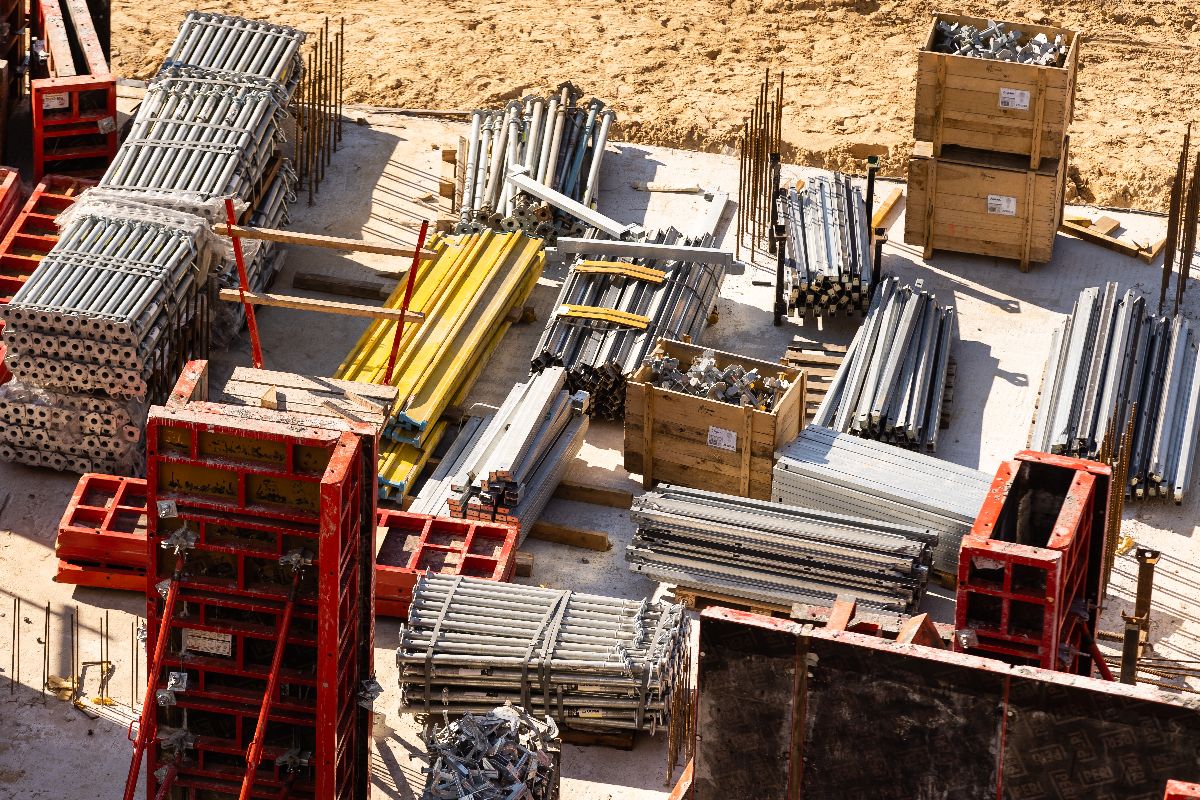
Untreated metal components are highly susceptible to corrosion when exposed to rain and high humidity. This is especially true for structures in flood-prone districts or coastal areas, where salt can further accelerate oxidation in metal structures. These processes progressively weaken frameworks and can undermine the material’s structural performance.
Rust formation is also not limited to visible surfaces; vulnerable areas such as joints or fastener threads can also develop weak points if left unprotected. To avoid this, it’s crucial to select corrosion-resistant materials.
Steel with galvanized coatings, for example, can resist moisture and humidity for extended periods. Using treated metals ensures that frameworks remain highly durable even in harsh weather conditions.
Repetitive Thermal Expansion and Contraction
Temperature fluctuations cause materials such as concrete and wood to expand when heated and contract when cooled. This repeated thermal cycling generates internal stresses that concentrate at rigid connection points. Over time, these create microcracks and misalignment, which gradually reduce the material’s ability to carry loads.
For steel frameworks, the cumulative effect of daily sun exposure and nighttime cooling can fatigue welds and loosen fasteners. This introduces weak points that compromise structural performance. Without materials built for thermal cycling, these accelerate deterioration across the entire framework.
Proper mitigation starts with proper handling and the right material selection. Steel components from providers like Metal Exponents are designed to withstand extreme temperature changes. When paired with proper installation techniques, they preserve structural integrity even in fluctuating seasons.
Severe Structural Strain From High Winds
With an average of about 20 tropical cyclones a year, the Philippines is no stranger to heavy rain and gusts of wind. Strong winds exert pressure on building exteriors, creating uplift on roofs and racking forces along fragile walls. These dynamic forces can compromise connections and may lead to potential safety risks for occupants without proper reinforcement.
Materials like wood are especially vulnerable to these natural forces. Since they’re lighter and more fragile, high winds can cause bending, splitting, and even total failure at fastened joints.
In contrast, steel maintains rigidity under these dynamic forces. Its tensile strength allows it to resist deformation and uplift. This minimizes the risk of occupant harm, ensuring frameworks endure even the strongest cyclonic winds.
Premature Coating Failure From Intense UV Exposure
The country gets an average of 4.5-5 hours of sunlight each day, often meeting temperatures of about 28.3°C. Prolonged UV exposure breaks down chemical bonds in protective coatings like paints, sealants, and polymers. Once these coatings fail, the underlying materials are left exposed to moisture and heat, leaving them vulnerable to degradation.
Even highly durable materials such as steel can suffer surface damage if coatings are compromised. Construction professionals should invest in steel components with UV-resistant finishes to prevent fading and UV damage. This proactive approach minimizes maintenance needs and extends the lifespan of the framework, even under extreme solar conditions.
Frequent Water Infiltration in Seams
Wind-driven rain can penetrate poorly sealed joints and seams in construction components. Once water enters these gaps, freeze-thaw cycles and prolonged moisture can expand these openings. As a result, porous materials may begin to rot, while metals may experience accelerated rusting. These small penetrations can escalate into further structural decay if left unchecked.
Components with sealed joints and water-resistant metals, like treated steel, can effectively resist water infiltration. With proper design and installation, your chosen material ensures that seams effectively preserve your build’s overall integrity.
Get High Quality Steel Building Components From Metal Exponents
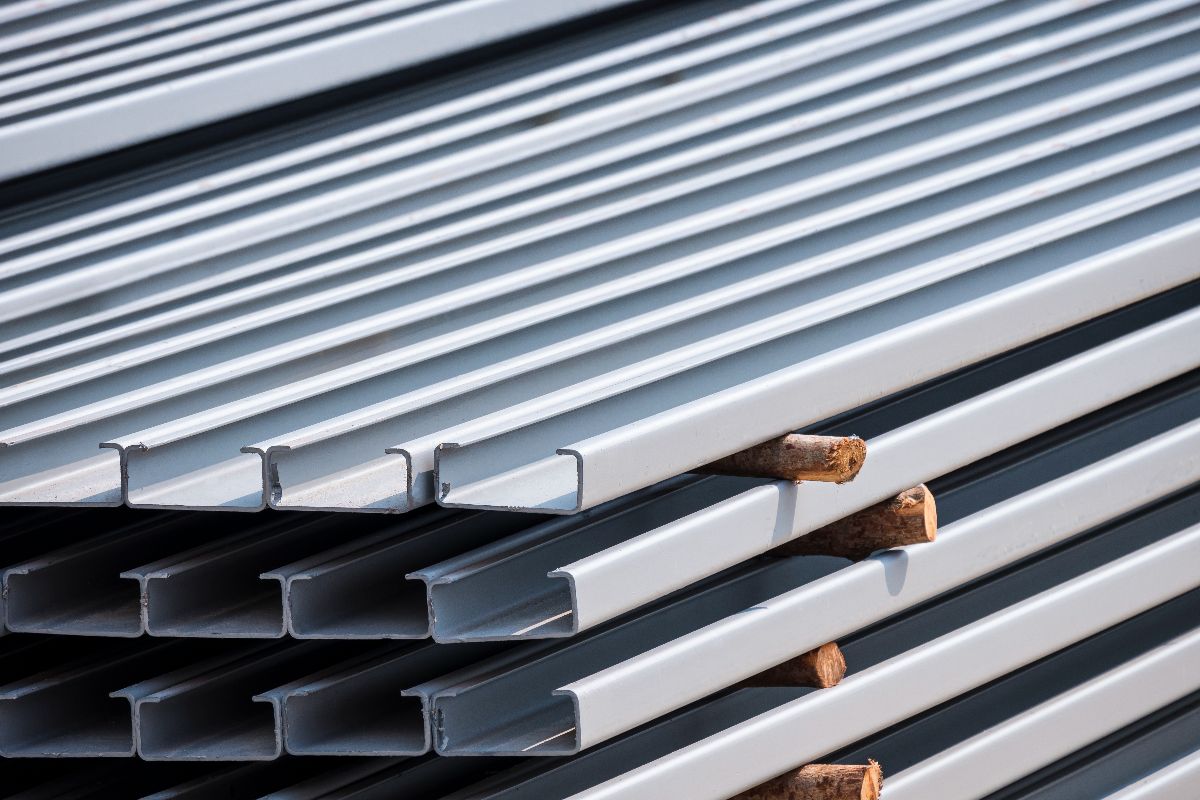
If you need steel components built especially for Philippine weather conditions, choose Metal Exponents. We deliver high-grade steel products designed to withstand heavy rain and shine. From ISO- and ASTM-certified sheet piles to custom-fabricated components, we ensure our materials undergo strict quality control.
With 45 years of experience, we offer expert guidance and customer support to ensure your structure’s lasting strength and safety. Partnering with us allows you to reinforce your project with reliable steel components that perform under the toughest environmental conditions.
Key Takeaway
So, how do weather conditions affect building materials? For many builds, the main risks lie in their gradual impact on structural integrity. That’s why it’s critical to prioritize weather-resistant components to ensure not just environmental resilience, but also lasting safety for years to come.
Partnering with Metal Exponents ensures you get access to high-quality steel and comprehensive engineering support for reliable, long-lasting construction. Contact us today to secure weather-resilient materials that safeguard your project.