
6 Best Practices for Maintaining Steel Components in the Philippines
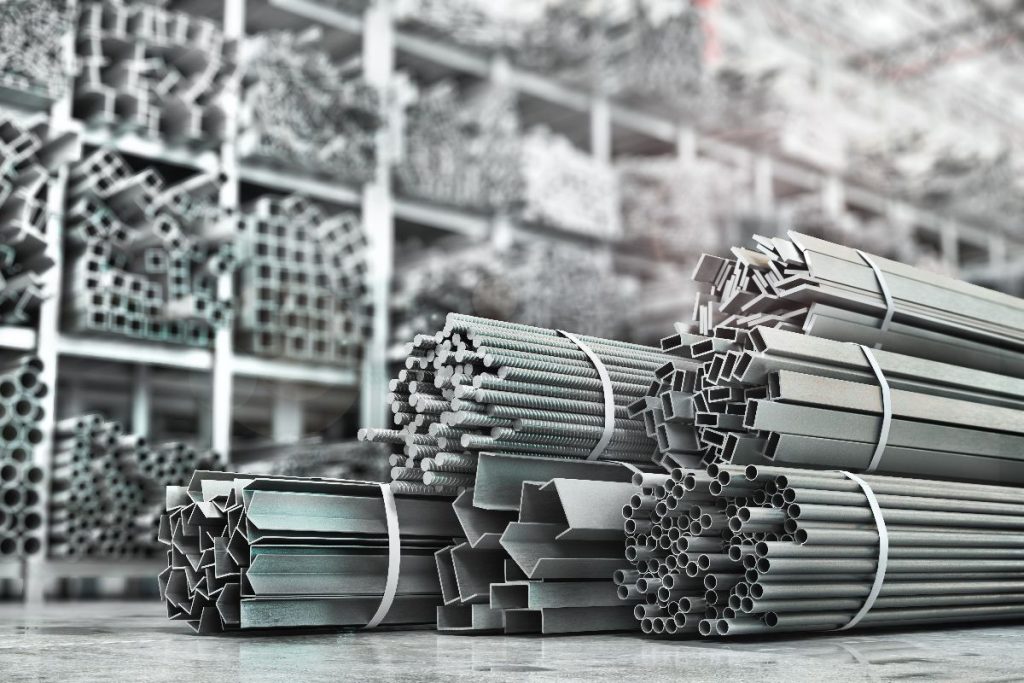
What are the best practices for maintaining steel components in the Philippines?
- Use protective coatings
- Clean steel surfaces regularly
- Control humidity in corrosion-prone areas
- Conduct routine inspections
- Practice proper material storage
- Consult with the supplier for additional maintenance steps
Overview
- Effective steel maintenance in tropical environments hinges on proactive care. Regular monitoring, cleaning, and protective measures allow teams to anticipate issues before they affect structural integrity.
- Understanding how environmental stressors affect materials informs smarter maintenance decisions. It’s important to plan around these factors to prevent costly repairs and downtime.
- Partnering with experienced suppliers ensures access to high-quality materials and practical guidance. Metal Exponents provides both durable steel and expert support for lasting project performance.
Steel is a standard choice in construction due to its inherent reliability. However, its long-term performance depends heavily on how it is maintained. Local humid conditions accelerate wear that would develop far more slowly in temperate climates. This makes knowing the best practices for maintaining steel components in the Philippines essential for professionals responsible for ensuring their safety.
Quality steel materials are a strong starting point to any construction, but it’s proper maintenance that determines how it performs over time. With Metal Exponents Inc. as your supplier of choice, you gain access to components that effectively withstand harsh environments.
The following sections outline practical steps that preserve your components’ performance throughout their service life.
Use Protective Coatings
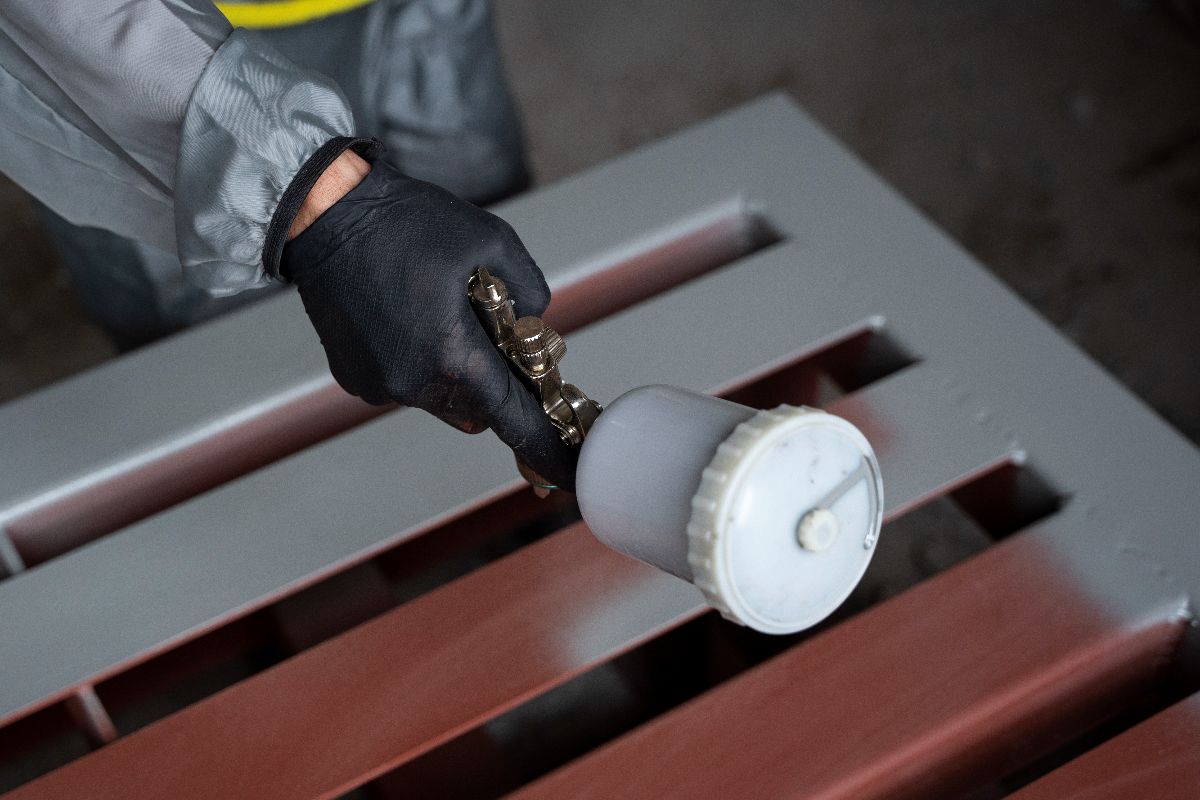
Protective coatings are commonly applied to steel parts to limit their exposure to moisture and corrosive elements. They act as a controlled barrier that delays surface reactions from weakening the material.
In tropical areas, airborne salts and persistent humidity settle on steel surfaces much faster. These accelerate oxidation, causing corrosive damage when left unprotected.
Professionals select coating systems based on exposure conditions. They tend to use zinc-rich primers for exposed structures, while epoxy-based finishes are applied to enclosed steel to prevent rust. Proper surface preparation ensures the coatings bond correctly and performs as intended over time.
Clean Steel Surfaces Regularly
Contaminants can linger on exposed areas, so make sure to clean steel surfaces regularly. Pollutants hold moisture against the steel and allow corrosion to progress rapidly, even when protective coatings are present. To interrupt this process, it’s important to practice regular cleaning before deterioration becomes visible.
The best way to clean steel surfaces is by using warm water and recommended solvents (e.g., xylene, mineral spirits) to break down debris buildup. Cleaning along the grain helps preserve the component’s integrity, while thorough rinsing and immediate drying remove trapped moisture. Frequent cleaning also offsets salt deposits that accumulate quickly in coastal regions.
Control Humidity in Corrosion-prone Areas
Maintaining controlled humidity where steel components are installed or stored is also a critical practice. The Philippines is known for frequent rainfall, ranging from 965 mm to 4,064 mm annually. Heightened moisture levels lead to condensation on steel surfaces, particularly when temperature changes occur throughout the day. Over time, repeated condensation cycles speed up surface breakages and internal corrosion.
Store your steel construction components in areas with regulated airflow. These include sections with ventilated systems or dehumidifiers to help regulate moisture levels. Areas with poor circulation allow damp air to remain in contact with steel for extended periods. By stabilizing these conditions, you reduce the exposure period that gradually compromises their performance.
Conduct Routine Inspections
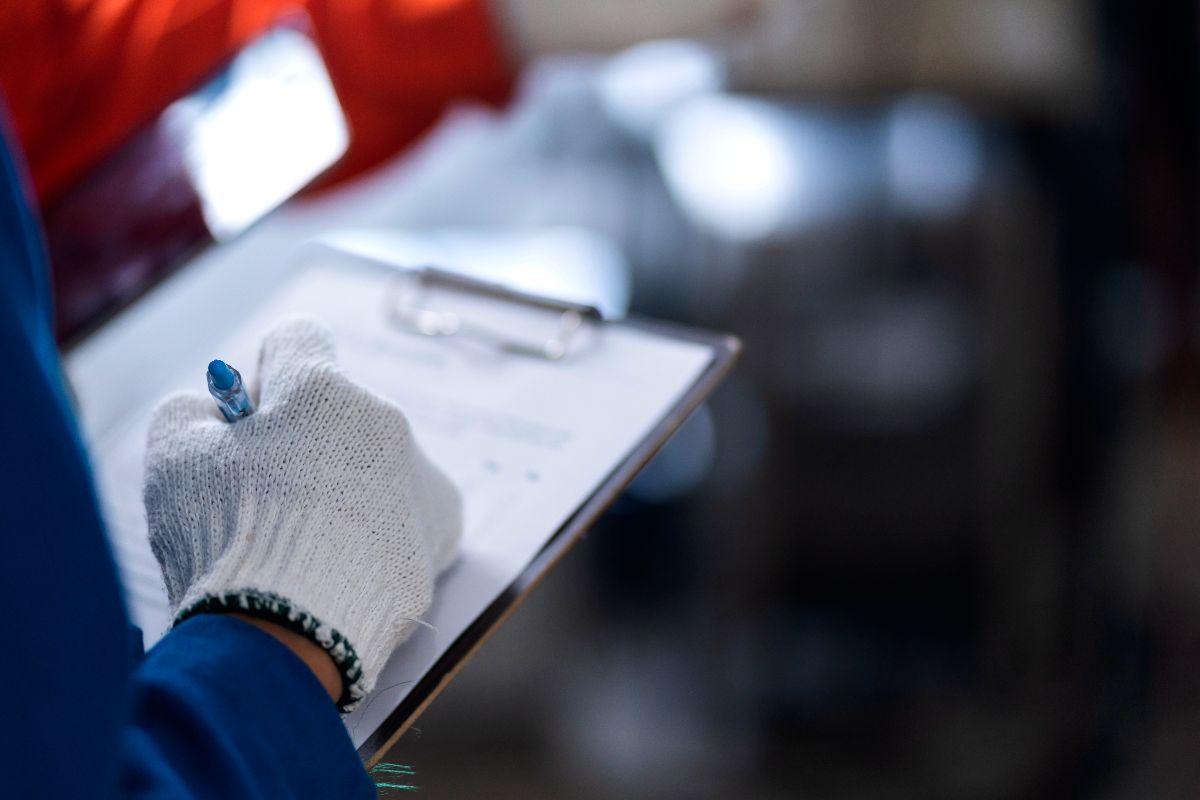
Another step in maintaining material conditions is to conduct regular assessments of the steel’s condition. Subtle signs, such as coating discoloration or minor joint movement, often indicate that there are developing mechanical issues beneath the surface. Addressing these early prevents these issues from spreading throughout the rest of the material, reducing structural concerns.
Inspection efforts should focus on key connective points: welds, fasteners, and edges. These areas experience higher stress levels and tend to collect moisture more easily. If significant wear is identified, that’s the team’s cue to begin with maintenance efforts or replacements. Tracking inspection results over time helps guide corrective action over the long term.
Practice Proper Material Storage
Correct material storage is essential in protecting them before installation efforts begin. Many material issues show up not during use, but while they’re still waiting to be used on-site. Leaving materials exposed during storage leads to costly problems (like moisture damage or surface deterioration) that affect performance once the steel is in service.
When storing steel, position it horizontally on level supports. Use padding between the layers to prevent surface abrasion. You should also keep them in dry, well-ventilated areas to minimize their exposure to moisture and avoid direct contact with the ground. Proper handling not only preserves the steel’s integrity but also sets a strong foundation for smoother fabrication or installation.
Consult with the Supplier for Additional Maintenance Steps
Consult with the supplier to clarify maintenance requirements specific to the steel products used. Elements such as steel grades and fabrication methods influence how materials respond to environmental exposure and handling. With expert insight from the supplier, construction teams align maintenance practices with the steel’s intended performance.
Request guidance on compatible coatings and cleaning methods. It’s also a good practice to inform the supplier of the work site’s conditions so their recommendations reflect your project’s exact needs. With proper coordination, you make well-informed decisions that extend your structure’s service life.
Get Lasting Steel Components with Metal Exponents Inc.
We supply steel materials manufactured for strength and long-term reliability across a diverse range of applications. Our team of expert engineers offers in-depth guidance to ensure your chosen products reinforce your structure’s integrity for years to come.
We provide high-quality imported steel and metal products with a strong focus on strict quality assurance and on-time deliveries. With decades of industry experience, we ensure you secure materials that meet the highest standards for performance.
Key Takeaway
To support every construction effort’s long-term reliability, it’s important to apply the best practices for maintaining steel components in the Philippines. Local conditions present challenging obstacles that threaten structural integrity. With consistent care, construction teams and engineers can reliably preserve their output’s structural capacity and service life.
Metal Exponents Inc. supplies high-quality materials built to endure demanding building environments. Contact us today to learn how our products ensure your construction project’s long-term success.
SEARCH

METAL EXPONENTS
Metal Exponents Inc. is run by an expert team of engineers, supply and logistics directors, and a committed salesforce that continually drives the business to be the best in the industry.
CONTACT INFORMATION
Our focus on durable products, reliable delivery, and competitive rates puts Metal Exponents at the forefront of imported steel.
CORPORATE OFFICE
4/F FMCB Center, #68 Jupiter St. Bel-Air, Makati City