6 Common Challenges in Sourcing Stainless Steel
Overview
- Procurement teams regularly encounter supply chain issues when sourcing steel. These issues can affect budgeting accuracy, project timelines, and overall material performance when not properly managed.
- Understanding how these risks appear in real procurement conditions helps teams make more informed sourcing decisions. By identifying the causes behind each challenge, procurement professionals can better evaluate suppliers and reduce operational uncertainty.
- Metal Exponents Inc. provides stainless steel solutions backed by over 45 years of industry experience to support more reliable procurement and supply consistency.
Procurement teams face several common challenges in sourcing stainless steel. While the material is widely used across industries, securing products that meet strict quality requirements is not always straightforward. Factors such as inconsistent product availability and varying supplier capabilities can make the sourcing process more complex than expected.
Understanding these challenges helps buyers make more confident and informed purchasing decisions by identifying key risks that affect cost, quality, and delivery performance. With 45 years of experience supplying stainless steel, Metal Exponents supports procurement professionals in navigating these issues and improving supply reliability. Read on to learn how to address them more effectively.
Volatile Raw Material Costs

Procurement costs for stainless steel are not always stable and often fluctuate due to changes in global raw material prices and market conditions. This makes it difficult for procurement teams to plan and control budgets with certainty.
Surcharge Mechanisms
One of the most common pricing challenges in procurement comes from surcharge mechanisms. These are variable charges added to the base steel price to account for fluctuations in alloying elements and other critical factors. Since the market prices of these metals change regularly, stainless steel suppliers adjust surcharges to reflect current production costs.
As a result, the final purchase price may differ significantly from initial estimates. Procurement teams that focus solely on base prices may underestimate actual material costs and incur budget overruns later.
To avoid this issue, check how suppliers link pricing to alloy costs using global market indices and how frequently those indices are updated. This ensures the quotation reflects current market conditions and helps you avoid relying on outdated pricing.
Budgeting Impact
Unpredictable external factors make it difficult for procurement teams to maintain accurate and stable stainless steel budgets throughout a project. Even with careful planning, market shifts, weather conditions, delivery delays, and unexpected site requirements can extend lead times, alter material demand, and push actual spending past planned limits, creating pressure on fixed budgets and reducing financial control over procurement activities.
Teams must create contingency allowances that account for these unavoidable cost fluctuations. It’s also best to plan procurement in advance and create backup strategies should unexpected circumstances arise.
Supply Chain and Availability Bottlenecks
Supply misalignment occurs when stainless steel production and logistics do not align with procurement demand across regions and suppliers. This leads to delays or gaps in material availability when required quantities or specifications are not immediately available within the supply network.
Regional Shortages
Material availability can vary significantly depending on location and market conditions. Certain stainless steel grades may become difficult to obtain when regional demand exceeds supply or when production capacity is concentrated in limited geographic areas. Procurement teams often encounter longer lead times under these circumstances.
These shortages can interrupt project schedules when required materials are not readily available from local suppliers. Buyers may need to source from alternative markets, which can introduce additional transportation costs and logistical complexity.
A reliable stainless steel supplier offers a consistent and reliable supply even during sudden shortages.
Manufacturing and Shipping Delays
Manufacturing delays occur when stainless steel production cannot proceed according to planned schedules, often due to mill backlogs or capacity limitations. These constraints slow down fabrication at the source, which extends the time required before materials are ready for dispatch.
Shipping delays add further complications once materials leave the production facility. Port congestion and transport delays can slow or temporarily halt delivery, often stretching lead times beyond initial forecasts. This creates gaps in supply continuity and increases the risk of stalling project schedules.
Material Consistency and Quality Control
Product quality remains one of the most important considerations when sourcing stainless steel. Procurement teams must verify that supplied materials consistently meet specified grades and performance requirements to ensure strict safety standards.
Inconsistent Alloys
Not all stainless steel products marketed under the same grade deliver the same performance. Variations in alloy composition, manufacturing practices, or quality control procedures can result in materials that perform poorly relative to the specified requirements. These inconsistencies may affect not just fabrication performance but also the final build’s long-term durability.
Variations are typically identified when different batches show measurable differences in performance during fabrication or exposure. Mill test certificates and batch traceability records are used to confirm that the alloy composition remains within acceptable grade tolerances prior to material acceptance.
Counterfeit Materials
Some sourcing risks stem from products that are intentionally misrepresented as higher-grade stainless steel. Counterfeit materials may include lower-grade alloys or materials accompanied by inaccurate certification documents. Although they may appear compliant at first glance, they often fail to deliver the expected performance characteristics once installed.
The consequences can be significant in applications that depend on corrosion resistance and structural reliability. Premature material failure and safety concerns are common outcomes when counterfeit products enter the supply chain.
Working with reputable suppliers reduces the likelihood of receiving improperly represented materials. Supplier credibility can be assessed by reviewing certification compliance and past client reviews to confirm the reliability of the materials.
How to Mitigate Sourcing Risks
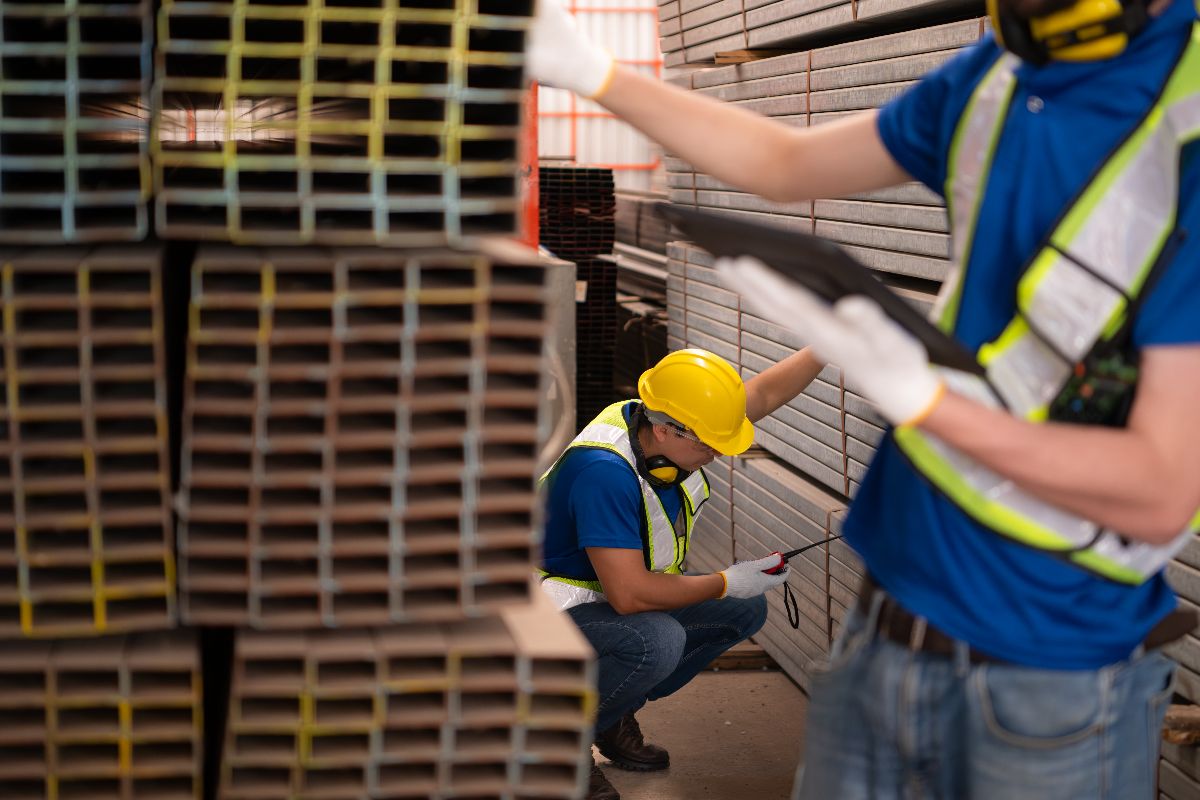
Reducing sourcing risks requires a combination of careful supplier evaluation and clear procurement specifications. The following practices help procurement teams improve sourcing reliability:
- Partner with a Reliable Supplier: Providers like Metal Exponents offer high-quality steel with documented grade testing and excellent after-sales support.
- Third-Party Testing: Independent material testing verifies that stainless steel products meet specified chemical composition and performance requirements before they are approved for use.
- Specify Post-Treatment Requirements: Clearly define requirements such as protective finishing to ensure the material performs as intended after fabrication and installation.
Key Takeaway
Having strong insights into the common challenges in sourcing stainless steel allows procurement professionals to reduce avoidable supply risks. By anticipating pricing fluctuations and verifying material quality, teams can improve sourcing outcomes and support smoother project execution.
With Metal Exponents as your trusted partner, you gain access to a team committed to providing consistent material standards and dependable service support. Contact us today to learn more about our stainless steel solutions.