What to Ask Suppliers When Comparing Material Prices
Overview
- Comparing material prices is not just about choosing the lowest quote. Hidden costs, material quality, and delivery schedules can all affect the final price, making it important for contractors to ask the right questions before making the final purchase.
- By reviewing pricing details and confirming delivery timelines, contractors can make better decisions and avoid delays that affect the entire project.
- Metal Exponents supports this process by providing transparent pricing and reliable logistics, helping ensure smoother and more cost-efficient project execution.
Weighing material prices is rarely straightforward for large-scale projects, especially since surface quotes often hide details that affect the overall budget. These can make procurement plans much harder to execute than necessary. To avoid complexities, it’s important to know what to ask suppliers when comparing material prices.
The cost of steel components extends beyond its initial quote. From quality assurance considerations to compliance, project contractors must account for each cost to identify their overall price.
Read on to learn exactly which questions reveal the true value of your materials.
Pricing Structure and Hidden Costs
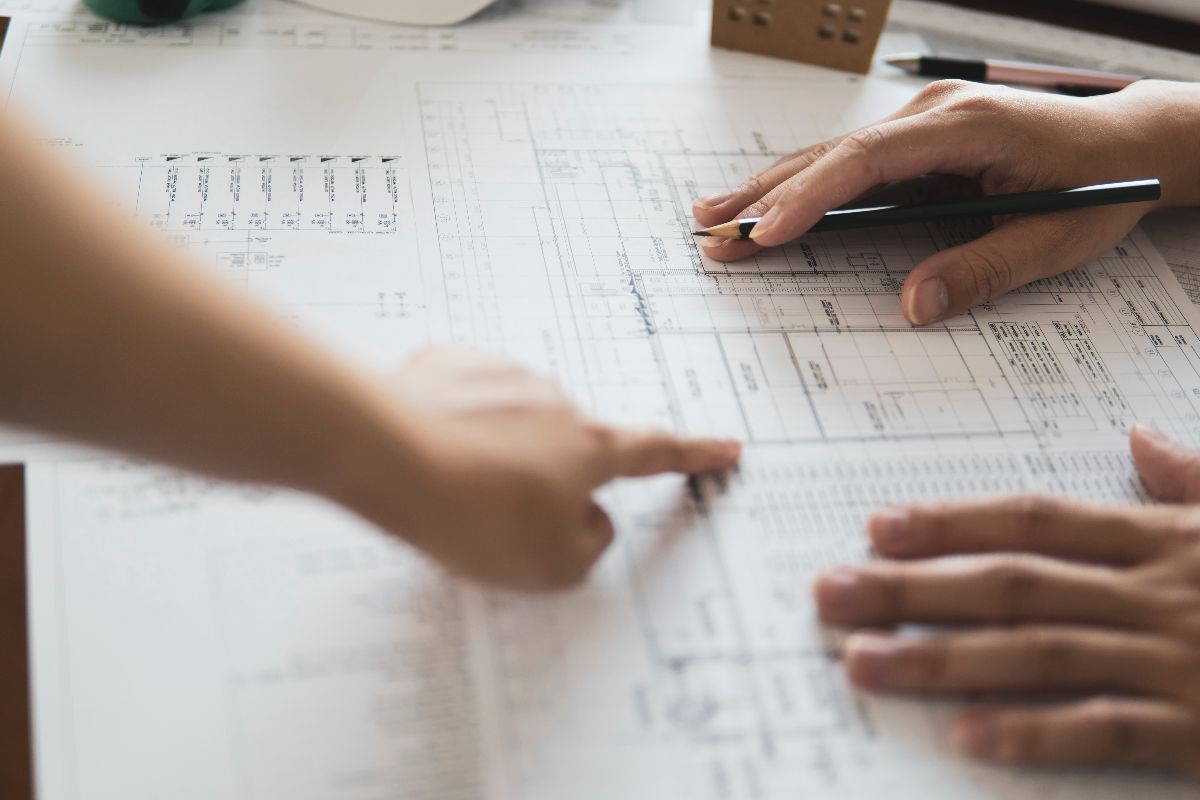
Understanding a supplier’s pricing structure is essential to avoid unexpected budget increases during procurement. Always clarify the components that contribute to the overall price, as some come with hidden costs that can strain the original budget allotted for the project.
Can You Provide a Full Breakdown of Costs?
The clearest way to understand a quote is to request a full cost breakdown. Each item, from base material prices to freight and customs duties, must be listed separately so contractors can pinpoint which factors influence the overall expense. This level of detail prevents surprises once it’s time to execute the project.
It’s also equally important to identify why each cost exists. For example, high-grade steel may carry a premium due to import duties or certification requirements. Having transparency allows project managers to adjust procurement strategies and evaluate whether the value aligns with the cost.
Are There Any Hidden Fees or Setup Charges?
Hidden fees can drastically alter the perceived value of a supplier’s offer. Setup charges of special fabrication or minimum order processing can increase costs way past the base quote. Asking directly helps you make sure these elements are accounted for upfront.
Clarifying these fees further allows you to compare suppliers accurately. Some suppliers may include them in the per-unit cost, while others list them separately. Depending on which offering you choose, you can significantly affect your project’s cash flow and total budget. Understanding these distinctions prevents you from having misaligned expectations and supports smoother project planning.
Quality and Consistency
Verifying quality and consistency is critical to ensuring long-term structural reliability. By ensuring you’re getting high-quality steel components, you prevent the risks of being subjected to costly reworks.
Do Your Materials Meet Specific Standards?
Requesting compliance documentation is essential to confirm material standards. Philippine construction codes and international certifications dictate certain mechanical properties and chemical compositions. Knowing that steel meets these requirements protects projects from suffering from regulatory risks.
Contractors should also assess consistency across batches. Even minor variations can affect assembly and structural performance, so confirming supplier standards helps avoid material-related issues. Asking for official documentation and past delivery records provides verifiable proof of a supplier’s reliability before procurement commitments are made.
What Is Your Process For Quality Assurance?
Ask how steel is inspected, tested, and verified before shipment. Do they follow clear protocols? Do they abide by Philippine building regulations? A supplier’s quality assurance process determines the likelihood of receiving defect-free materials. This signals not only professional operation but also lower chances of encountering defects and errors once it’s time to utilize the materials.
Reliable QA practices can reduce unexpected replacement costs and ensure project timelines stay intact. Understanding these steps allows you to anticipate potential risks and, most importantly, align inspection timelines with your project’s schedule.
Some of the common QA processes include:
- Random batch testing
- Certification reviews
- Standardized handling procedures
Delivery and Logistics
Delivery timelines and logistics directly impact project schedules and material availability. Inefficient or unpredictable shipping introduces the same operational risks as poor material quality, making supplier reliability on both fronts equally critical.
What Are Your Standard Lead Times?
Lead times define how quickly your materials can arrive once ordered. Suppliers with transparent timelines enable contractors to plan sequences for procurement and installation. If the supplier extends these lead times or experiences frequent delays from poor planning, these can affect your entire schedule and inflate your project’s costs.
You should also inquire about factors that affect timing, such as seasonal fluctuations or port congestion. Understanding potential delays allows for contingency planning and allows you to prepare alternative sourcing strategies to maintain workflow continuity.
Do You Charge Extra For Special Shipping Requirements?
Ask your supplier about extra charges so you know which conditions trigger additional costs. Special delivery needs, like expedited shipping or on-site drop-offs, may incur additional fees you didn’t initially plan for. Clarifying these costs upfront ensures budgeting accuracy, preventing unnecessary disputes during project execution.
Assessing these charges also helps contractors evaluate the flexibility and reliability of your chosen supplier. Knowing which conditions trigger extra fees not only supports strategic decision-making but also allows you to prioritize suppliers who can effectively balance costs with their service quality.
Where to Find a Reliable Steel Importer in the Philippines
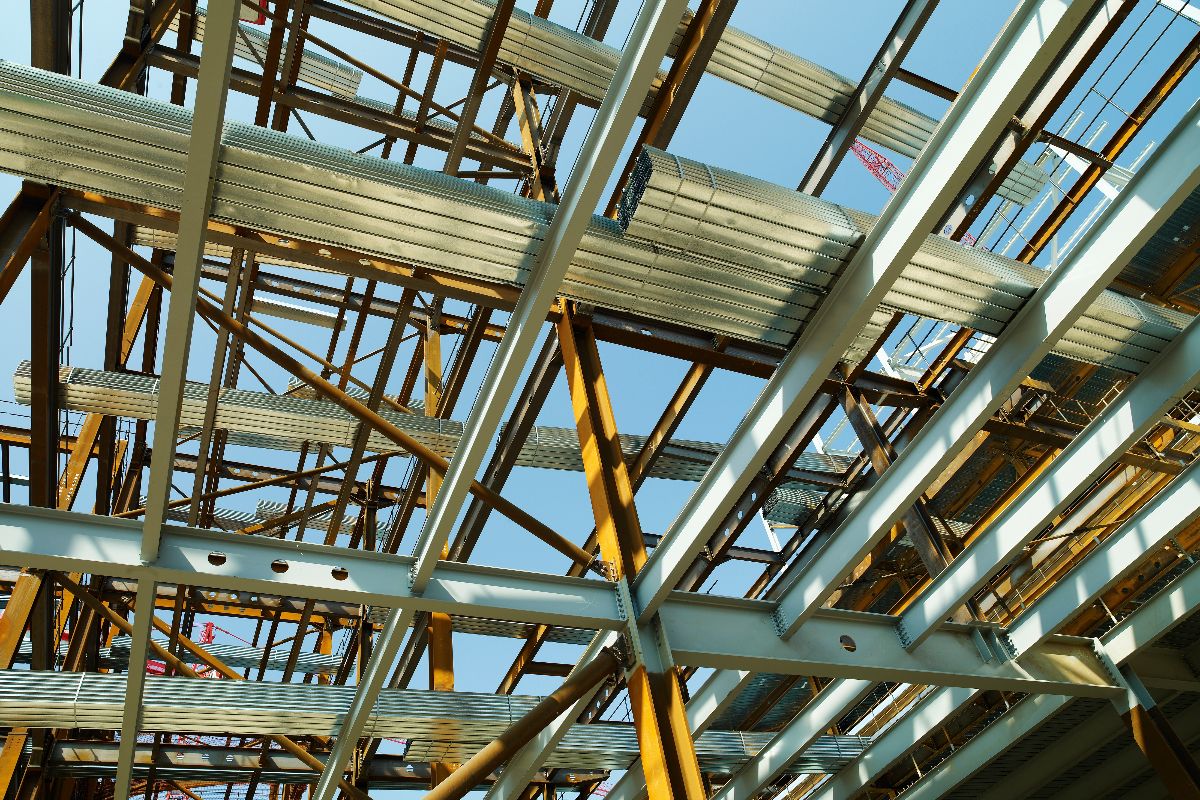
When it comes to imported steel, contractors can rely on the expertise of Metal Exponents. With 45 years of experience, our company ensures every order meets strict safety and quality standards. We follow comprehensive quality assurance processes and carefully manage logistics to ensure your chosen materials arrive in top condition, all at a cost-effective price.
From forging partnerships with global manufacturers to offering responsive technical support, we help contractors maintain consistent material supply from the start of their project to its completion.
Key Takeaway
Knowing what to ask suppliers when comparing material prices is essential for controlling project budgets and avoiding hidden costs. Contractors who ask the right questions not only secure consistent, high-quality materials but also guarantee they can complete their projects within their designated timelines.
With Metal Exponents, you gain access to premium steel components alongside reliable logistics support. Get a quote today to ensure your next project benefits from a dependable supply.