Best Practices for Organizing and Protecting Steel Parts on Busy Sites
Overview
- Steel components can lose their structural reliability long before installation if procurement teams fail to organize and protect them properly on busy construction sites.
- Constant handling, moisture exposure, and improper stacking all contribute to material deformation during storage. Understanding best practices for component protection helps construction professionals maintain component quality throughout the project timeline.
- Metal Exponents Inc. supports these efforts with durable steel products and practical guidance backed by decades of industry experience.
Securing the right steel components is only the first step in protecting a project’s material investment. On busy construction sites, improper organization and handling can compromise component quality well before installation begins, creating delays and additional procurement costs that affect the overall project timeline.
Moisture, improper stacking, and uncontrolled handling can all affect material condition before a single piece reaches its final position — often in ways that are not immediately visible.
To avoid unnecessary damage, here are some of the best practices for organizing and protecting steel parts on busy sites.
Environmental Control
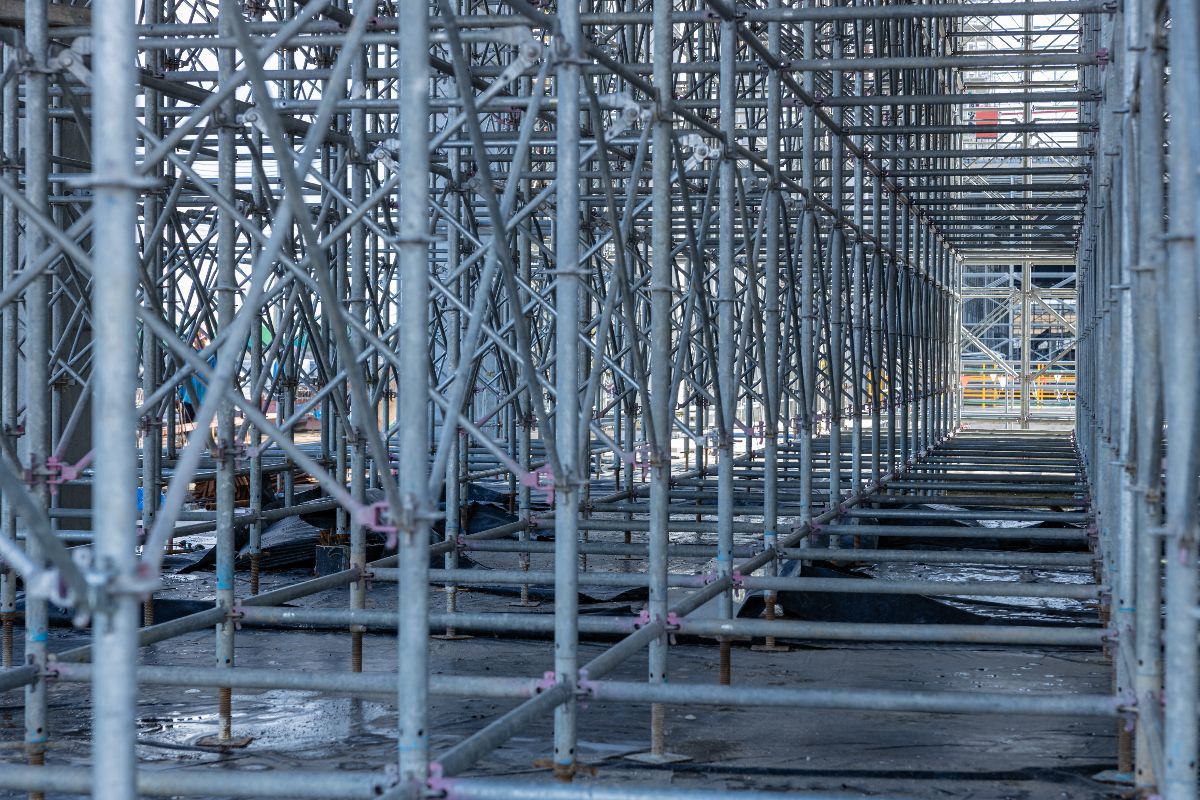
Steel’s quality is easily influenced by the environment it’s stored in. To avoid premature deterioration, ensure the designated storage space is properly prepared to protect the components throughout the project.
Avoid Ground Contact
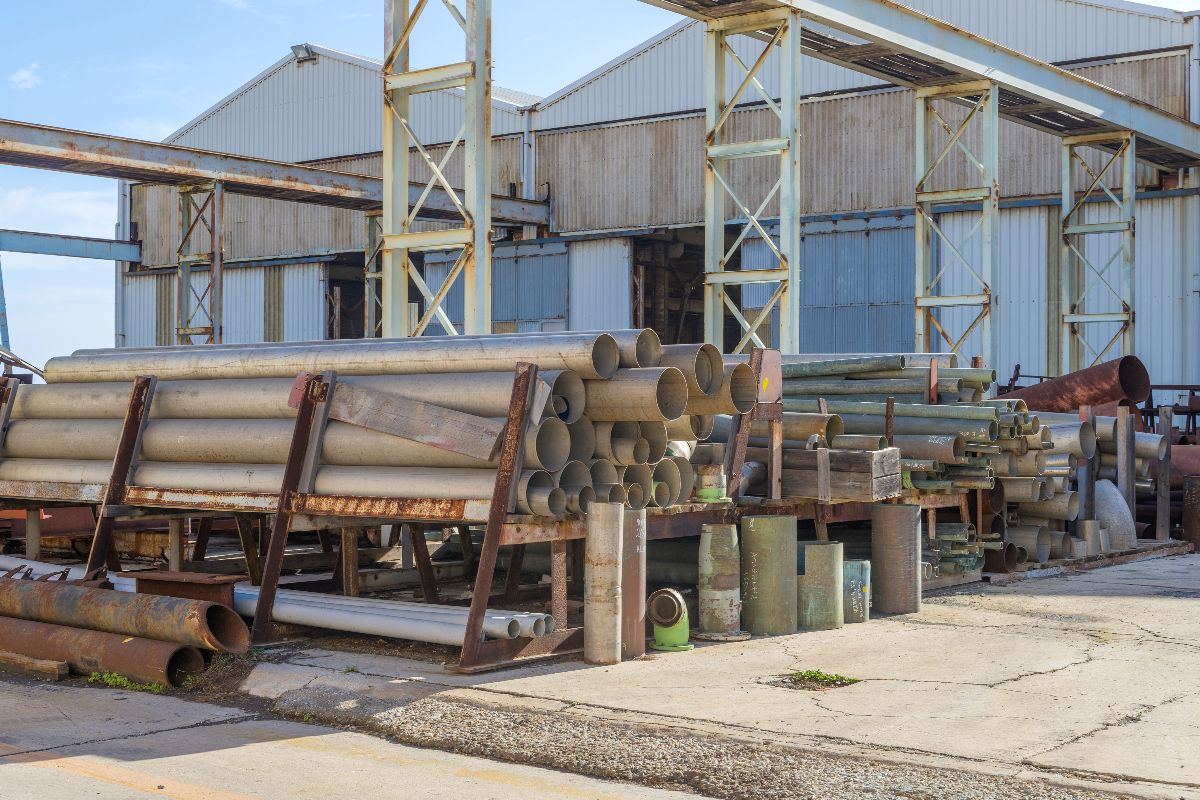
Steel should be stored on elevated racks positioned at regular intervals along the length of the material, primarily to prevent direct contact with the ground. These supports must be aligned to distribute the load evenly so that long sections remain stable and do not bend between contact points. Site preparation must also include cleared drainage paths to prevent water from collecting beneath stored bundles.
Once steel is exposed to ground-level conditions, residual moisture from the ground continues to transfer upward even after surfaces appear dry. This sustained exposure causes oxidation to begin at the underside of the material, and it often goes undetected until corrosion becomes too visible to fix.
Ensure Ventilation in Storage Spaces
Air circulation must be maintained around steel to prevent moisture buildup, so always ensure there’s consistent spacing between the materials. Storage layouts should avoid tight grouping or wall-to-wall placement so airflow can move through all sides of the material. This way, the components stay free from risks of rust and early degradation.
Without air movement, moisture remains suspended around steel surfaces long after environmental conditions change. That trapped moisture accelerates surface breakdown by maintaining prolonged contact between water vapor and metal, allowing corrosion to develop even in the absence of rain or exposure. Always make sure you keep the area well-ventilated to keep the components viable for use upon installation.
Physical Organization and Handling
Steel components must be stored in clearly separated zones with controlled access paths to limit unnecessary movement during retrieval. This setup reduces repeated handling and helps preserve surface condition in storage.
Segregate by Type and Size
Organizing incoming steel into clearly defined zones by type and dimensions keeps each material group on a controlled storage path and prevents contact between incompatible components. This allows you to identify and retrieve materials without disturbing adjacent stock.
To execute segregation correctly, sort the materials immediately upon delivery. Separate them by component type and size: place beams and pipes on heavy-duty racks with a uniform orientation. Flat materials, like plates, should rest on level supports with full surface contact. It’s also critical to ensure that access lanes remain open so equipment can move freely without causing damage to nearby parts.
Use Proper Spacers
Proper spacers are essential in steel storage because they prevent direct metal-to-metal contact that compromises structural alignment. Using them consistently reduces stress concentration during long storage periods, helping steel components better preserve coating integrity and dimensional accuracy.
Place spacers at consistent intervals between layers to ensure that weight transfers evenly throughout the load’s full height. Use non-moisture-retaining materials such as treated timber, rubber blocks, or engineered plastic strips and align them vertically to prevent shifting and edge damage during storage.
Rust and Corrosion Protection
Corrosion control in stored steel depends on limiting surface contact with moisture and airborne contaminants that trigger oxidation. Protective systems help maintain surface stability while materials are stored for later use.
Use Protective Coatings
Protective coatings shield steel from moisture and other debris that commonly affect materials on active construction sites. Galvanization or anti-corrosion coatings work well to protect surfaces from the effects of prolonged exposure to humidity. Any coating damage identified during handling should be repaired before materials are moved to their designated installation zone to maintain the integrity of the protective layer.
Once the coating is damaged, moisture and oxygen can reach the exposed steel surface and initiate corrosion. The damage often spreads underneath the surrounding coating over time, even if the affected area initially appears small. Maintaining full coating coverage helps preserve surface quality and supports long-term material performance prior to installation.
Consider Using Desiccants
Desiccants such as industrial moisture absorbers help control humidity inside covered storage areas. Even distribution throughout enclosed spaces helps maintain consistent moisture control across the entire storage unit. Replacing them according to storage duration and surrounding humidity levels ensures they remain effective throughout the project.
Moisture trapped inside enclosed storage environments can condense directly onto steel surfaces during temperature changes, even without visible water exposure. Over time, this can create hidden corrosion that often goes unnoticed until the materials are unpacked for installation. For reliable steel products that arrive with protective coatings already in place, Metal Exponents Inc. supplies materials engineered to maintain surface integrity throughout storage and handling.
Key Takeaway
Preventable material losses during storage and handling remain one of the more overlooked cost risks in construction procurement. Applying the best practices for organizing and protecting steel parts from the moment components arrive on site helps preserve material quality and keeps project timelines on track.
Need more information on proper preparation practices? At Metal Exponents Inc., we provide durable steel products supported by practical industry expertise tailored to your project’s needs. Contact us today for more tips on protecting your building components.