What are the Quality Control Questions to Ask a Steel Supplier

Overview
- Asking the right quality control questions helps verify whether a steel supplier can consistently provide materials that meet project specifications and industry standards.
- Evaluating material traceability, fabrication processes, testing procedures, inspection methods, and defect management gives greater confidence in the quality and reliability of supplied steel.
- Partnering with Metal Exponents ensures access to high-quality steel products supported by robust quality assurance systems, international sourcing standards, and dependable supply chain practices.
Transparency is just as important as material strength. With this, you need visibility into how steel materials are sourced, tested, and delivered. Without clear quality control systems, you risk receiving inconsistent materials that do not meet engineering requirements.
To ensure proper guidance, what key quality-control questions can you ask a steel supplier? This article highlights these questions to help you ensure that all delivered materials align with project specifications, safety standards, and performance expectations.
Material Traceability and Documentation
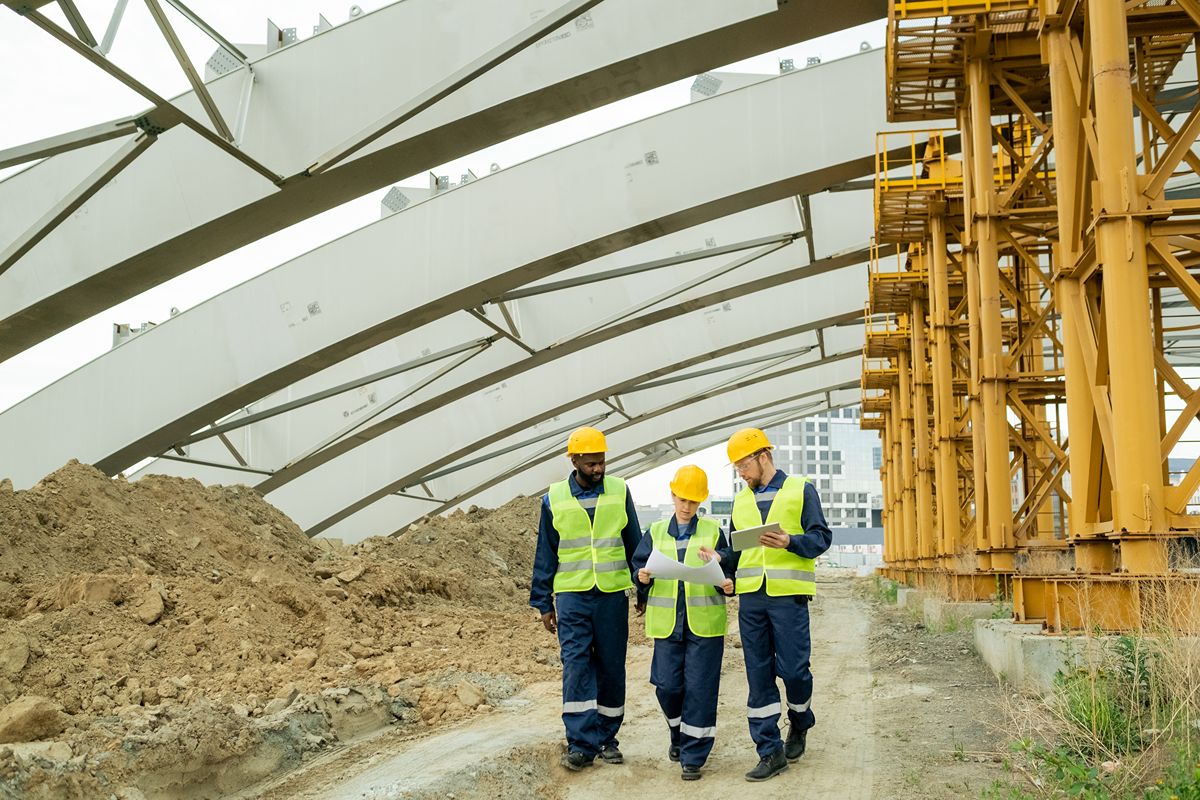
Steel materials are not evaluated solely by appearance or grade classification, but through verifiable records that confirm their origin, composition, and testing history.
Material traceability and documentation enable you to verify that supplied steel meets engineering and regulatory requirements before it is used on-site.
Can you provide traceable Mill Test Reports (MTRs) for every batch?
Asking this can help you verify if a steel material’s chemical composition, mechanical properties, and production origin meet the required engineering specifications. Batch-specific documentation allows you to confirm material authenticity and alignment before deployment on-site.
How do you label and track steel from the mill to delivery?
Ask the supplier to provide a documented traceability system that links each heat number to every bundle, coil, plate, or structural section from receipt to dispatch. This heat number should consistently correspond with the Mill Test Certificate to ensure full material traceability throughout the supply chain.
Do your materials meet specific international or local compliance standards?
Steel materials should comply with recognized international or local standards such as ASTM, JIS, or equivalent specifications. Backed by strong partnerships in China, Japan, Taiwan, Korea, and Europe, Metal Exponents Inc. ensures alignment with internationally recognized quality and compliance standards across our sourcing and supply chain.
Fabrication and Processing Quality
Inconsistent processing can lead to misalignment, rework, or delays during installation. By asking the following questions, you can ensure steel is properly prepared for installation, with the correct dimensions, surface condition, and structural integrity.
What processes do you perform in-house versus outsource?
Ask the supplier to clearly distinguish which fabrication processes are handled in-house and which are outsourced. When outsourced, activities such as cutting, welding, bending, coating, or detailing can introduce quality variations, communication gaps, and potential project delays.
What dimensional tolerances can you guarantee?
This is to clearly state the guaranteed tolerances by product type and fabrication process, rather than providing a general assurance. For cut-to-size components, they should specify allowable variations in length, width, hole positioning, flatness, straightness, and squareness.
What surface treatments or coatings do you provide?
Ask which surface treatments they offer, since coating selection directly affects corrosion resistance, durability, and overall performance. Common options include hot-dip galvanizing, painting, powder coating, and black oxide, depending on the level of protection required for the application.
Testing and Inspection
Undetected material issues can still occur even after fabrication, which is why a final verification stage is essential before steel is dispatched. This process is designed to identify defects, inconsistencies, or deviations that could affect performance once installed.
What non-destructive testing (NDT) capabilities do you have on-site?
This is to determine whether they have NDT capabilities, such as ultrasonic, magnetic particle, or visual inspection, to detect internal and surface-level defects without damaging the material. Having these capabilities available in-house allows faster verification and stronger quality control.
How is steel inspected for internal and surface defects before shipping?
A reliable supplier should use methods like magnetic particle or dye penetrant testing for surface cracks and ultrasonic or radiographic testing for internal defects to ensure material integrity before delivery.
Are your testing instruments regularly calibrated by certified third parties?
Asking this helps determine whether their testing instruments are regularly calibrated by certified third-party organizations to ensure accurate, consistent inspection results. Proper calibration is essential in maintaining reliable measurements for material testing.
Defect Management and Supply Chain
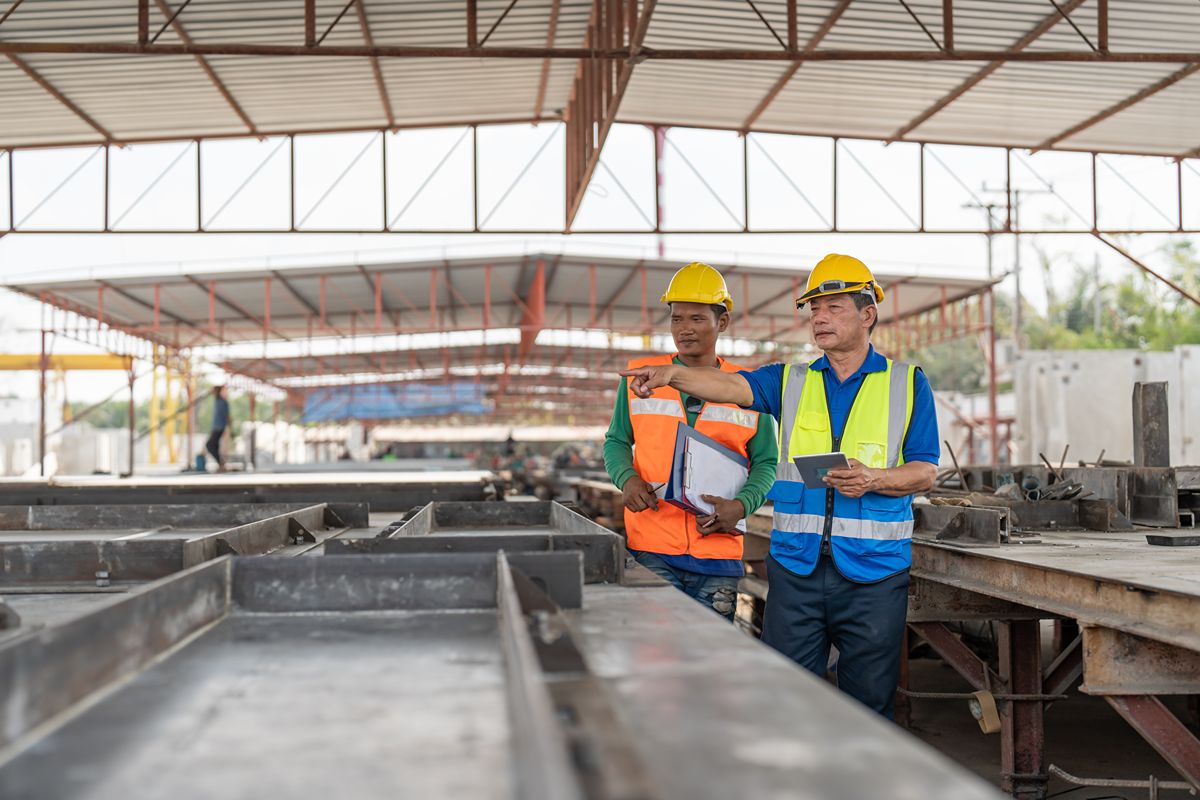
Even with proper fabrication and inspection processes, issues can still arise when materials are handled, transported, or received in bulk. Defect management and supply chain controls ensure that non-conforming materials, delivery damage, and exposure risks are addressed before they impact structural performance.
What is your process for handling non-conforming materials?
This can help you determine whether the supplier immediately quarantines defective steel and clearly documents the non-conformance. It also shows how they decide the appropriate action, whether rework, replacement, return, or scrapping.
How do you handle shipping damage or rust prevention?
Ask the supplier what measures are in place to prevent shipping damage and corrosion during transport and storage. This includes proper packaging, protective coatings, moisture control, and handling procedures to ensure steel maintains its integrity until it reaches the site.
Key Takeaway
Knowing these quality control questions to ask a steel supplier can help you look beyond surface-level checks and properly evaluate how materials are sourced, verified, and delivered.
With Metal Exponents Inc., you gain access to a supplier backed by decades of industry experience, strong global partnerships, and a commitment to quality assurance across every stage of the supply chain. To discuss your project requirements, connect with our team today.