6 Common Mistakes That Cause Steel to Deteriorate on Construction Sites
Overview
- Steel remains one of the most reliable construction materials, but improper handling and site practices can still cause premature deterioration.
- Critical preparation and installation mistakes often weaken steel performance and compromise long-term structural reliability. Understanding how these issues develop allows contractors to protect materials more effectively and avoid unnecessary repair costs throughout construction.
- For high-quality steel materials and expert guidance on proper site handling, Metal Exponents is a trusted supplier with decades of industry experience.
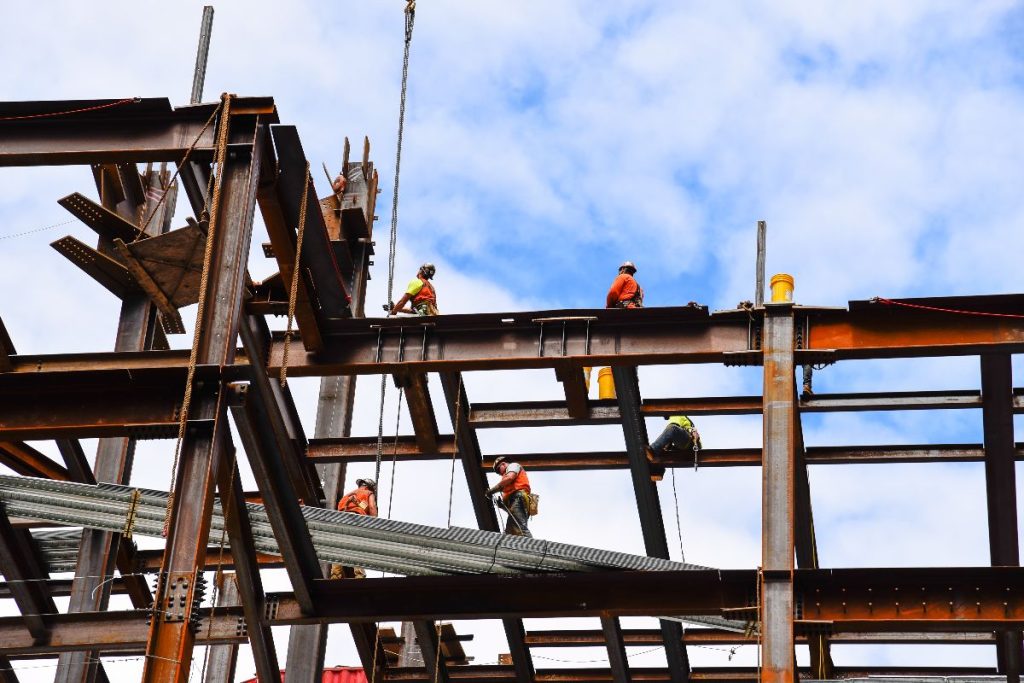
Steel has earned its reputation as one of the most dependable construction materials because of its strength. From high-rise developments to industrial facilities, it provides the load-bearing performance necessary to support large-scale projects.
However, steel materials are only as effective as the way they’re handled throughout the construction process. Many of the common mistakes that cause steel to deteriorate on construction sites begin with preventable site practices that compromise material quality over time. To avoid these issues, contractors need a clear understanding of how each mistake affects steel components and the broader project.
Continue reading to learn how to maintain steel quality throughout construction.
Improper Site Storage and Handling
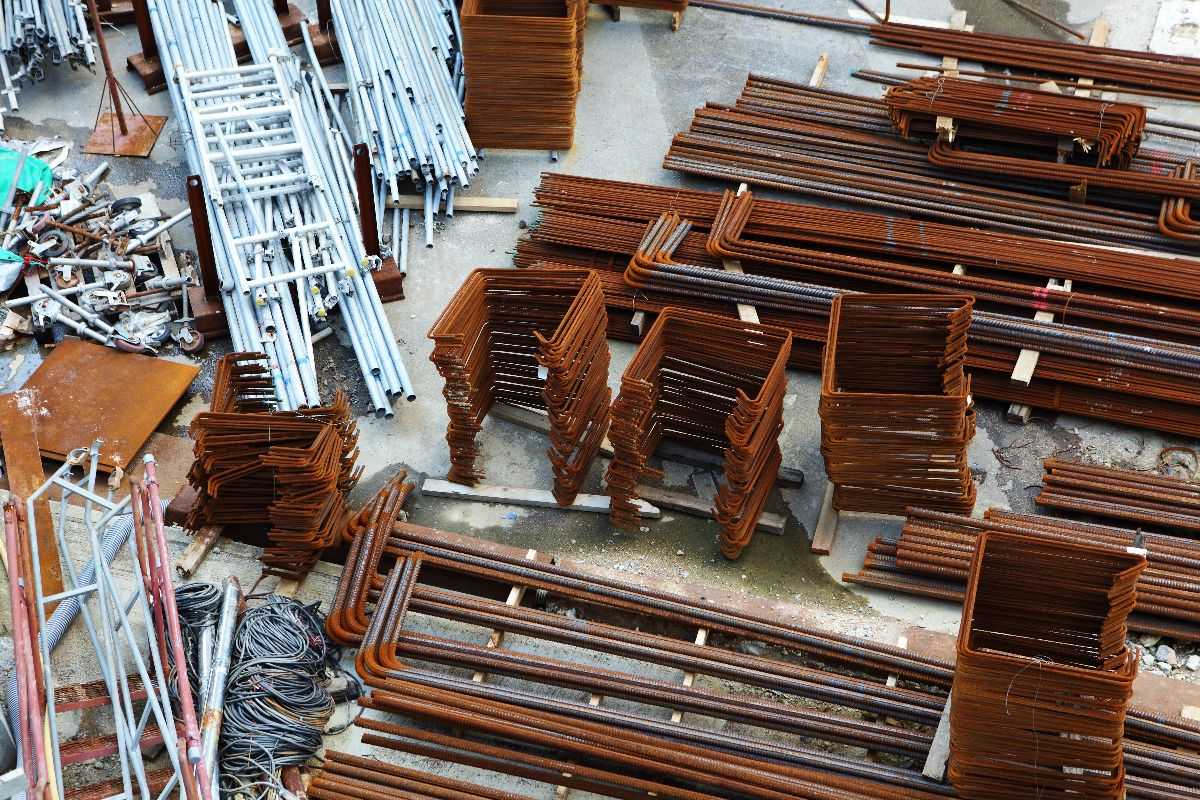
Poor storage and handling practices expose steel materials to moisture and physical damage long before installation begins. Without proper protection, high-grade steel can still deteriorate prematurely.
Storing on Bare Ground
Soil naturally retains moisture and contaminants that trigger corrosion. Once steel materials absorb prolonged moisture exposure from the ground, oxidation can begin forming beneath the surface even before visible rust appears. This issue becomes more severe during rainy conditions, where standing water and mud continuously expose the material to corrosive elements.
One of the typical mistakes contractors make is unloading deliveries quickly without preparing designated storage platforms. Steel tubes, beams, and rebar stored directly on bare ground can collect debris that becomes hard to remove before installation.
To prevent this, elevate materials using pallets or racks to maintain airflow underneath the steel. This way, they stay protected from moisture accumulation and surface contamination.
Lack of Weather Protection
Exposure to heavy rain weakens steel surfaces during storage. Rainwater and humidity create an environment where corrosion develops faster, especially when materials remain uncovered for extended periods. Coastal and high-humidity areas are particularly aggressive toward exposed steel stock, so it’s important to have dedicated storage spaces that protect the components from exposure.
Project leaders often underestimate how quickly environmental exposure affects stored materials. Using ventilated weather covers is key to shielding steel from direct exposure. This prevents trapped humidity from accumulating around the material, reducing corrosion risk significantly and keeping it ready for installation.
Concrete Placement Errors
Mistakes during concrete placement can leave embedded steel vulnerable to corrosion, weakening the long-term durability of reinforced structures. Improper positioning often creates hidden deterioration risks that only become visible after structural damage has already progressed.
Missing or Incorrect Cover Blocks
Insufficient concrete cover exposes steel to external contaminants much earlier than intended. Without properly placed blocks, rebars can shift too close to the concrete surface, reducing the protective barrier that shields steel from water penetration. Over time, this increases the likelihood of corrosion developing within the reinforced structure.
The issue stems from the use of improperly sized spacers during reinforcement placement. Uneven cover thickness also creates inconsistencies in structural performance, particularly in areas exposed to heavy moisture or environmental stress.
Using correctly sized and properly secured cover blocks helps maintain reinforcement positioning throughout concrete pouring and curing operations.
Using Contaminated Materials
Concrete mixed with contaminated water or additives can introduce harmful chemicals that accelerate steel corrosion internally. Chlorides and organic contaminants, for example, weaken the protective environment that concrete provides around embedded reinforcement. Once corrosion begins inside reinforced concrete, deterioration can spread unnoticed until cracks become visible.
This problem is especially common on sites where material quality inspections are improperly monitored. Reusing contaminated water sources increases the risk of introducing corrosive substances into the concrete mix. Strict material testing and quality control procedures are recommended to prevent contamination-related steel deterioration before placement begins.
Assembly Mistakes
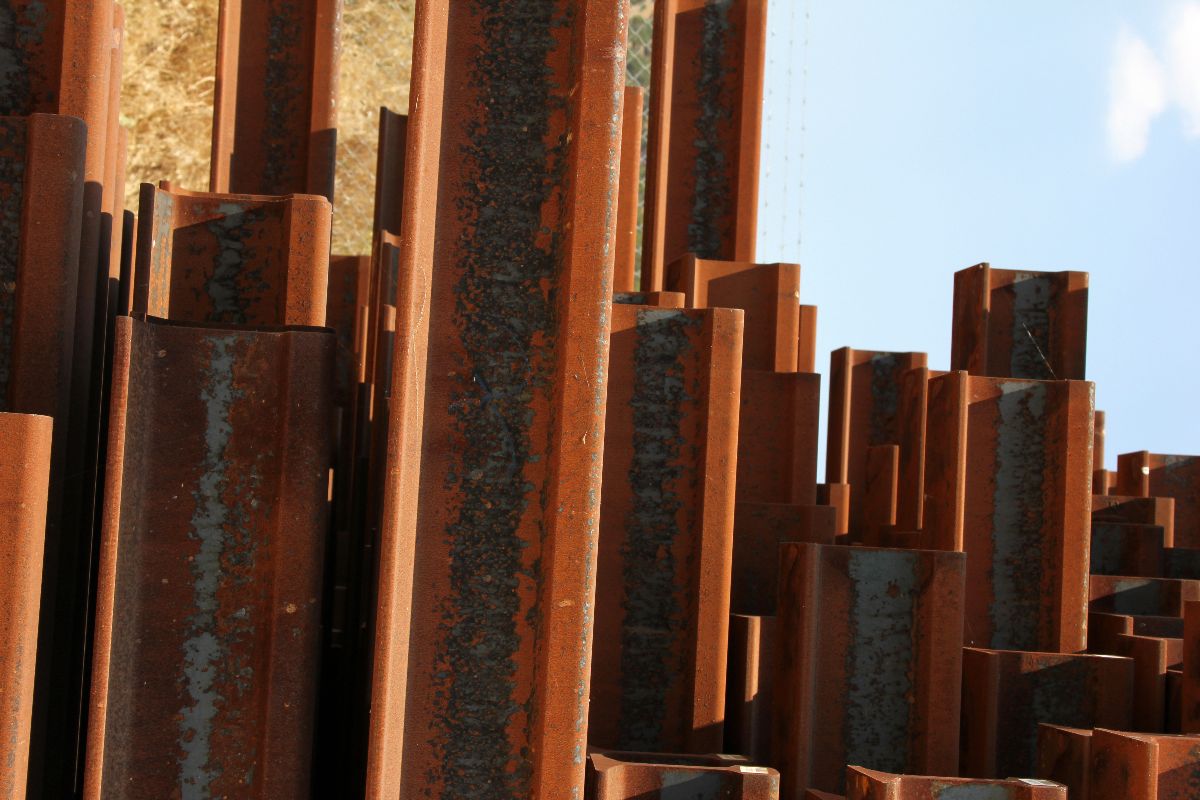
You can take every precaution to protect steel components during storage and transit, but those efforts will not hold if assembly procedures are not followed correctly. Errors during steel installation can compromise protective systems that preserve the material’s long-term performance.
Skipping Protective Coatings
Protective coatings serve as the first line of defense against corrosion. Leaving steel surfaces uncoated significantly increases the risk of oxidation, especially on construction sites where materials encounter repeated exposure. Once corrosion begins forming on untreated surfaces, deterioration can spread rapidly across connected components.
Some projects skip coatings to reduce short-term costs. However, the long-term repair expenses associated with premature corrosion often outweigh the initial savings. Applying the appropriate galvanization or protective coatings helps preserve steel integrity while extending the service life of the structure, lowering maintenance and replacement costs in the long run. Additionally, sourcing properly coated steel from a reliable supplier like Metal Exponents ensures materials arrive ready for installation without compromising this critical layer of protection.
Inadequate Surface Prep
Protective systems fail prematurely when steel surfaces are not properly prepared before coating application. Dirt and existing rust prevent coatings from bonding correctly, creating weak points where corrosion can develop underneath the surface.
Surface preparation issues commonly appear when coating procedures are rushed to meet deadlines. Inconsistent cleaning methods also produce uneven coating adhesion across different sections of steel components.
Proper cleaning and surface inspection procedures help ensure coatings adhere uniformly and provide reliable long-term protection.
Key Takeaway
Steel deterioration on construction sites is rarely caused by material failure alone. In many cases, preventable issues and inconsistent installation practices gradually weaken steel performance over time. Contractors must avoid the common mistakes that cause steel to deteriorate on construction sites to maintain the building’s structural reliability throughout its lifespan.
With Metal Exponents’ team of experts, contractors gain dependable guidance supported by decades of industry experience and professional service. Contact us today to secure high-quality steel solutions that help protect the long-term success of your projects.